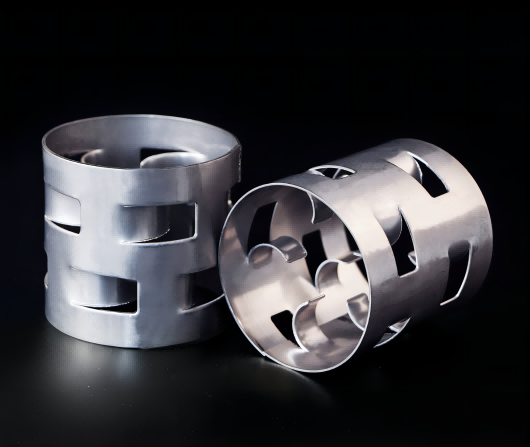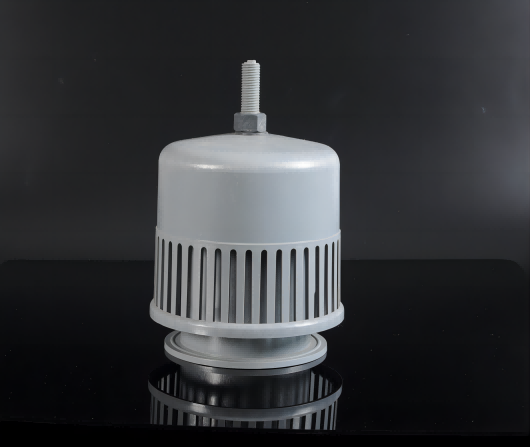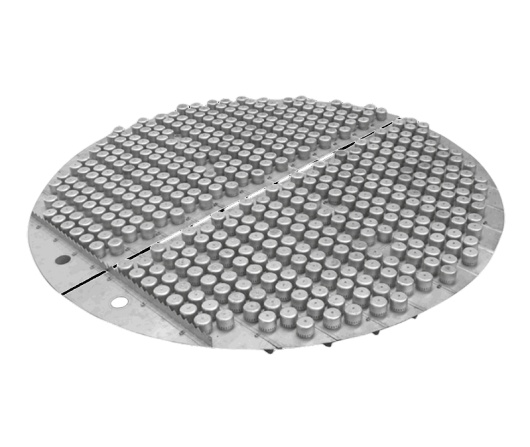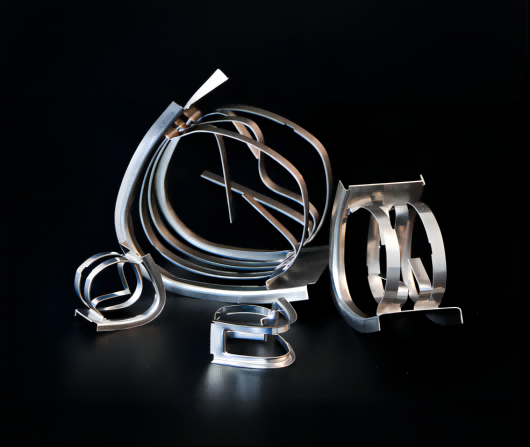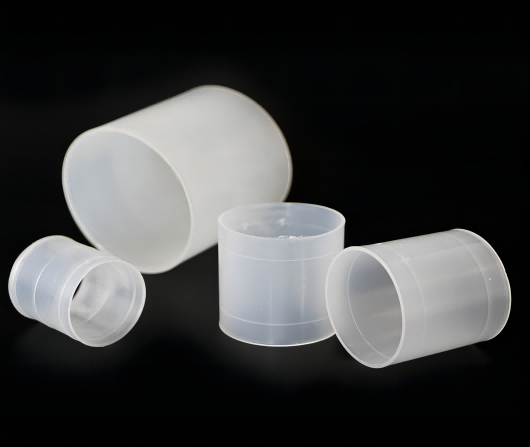

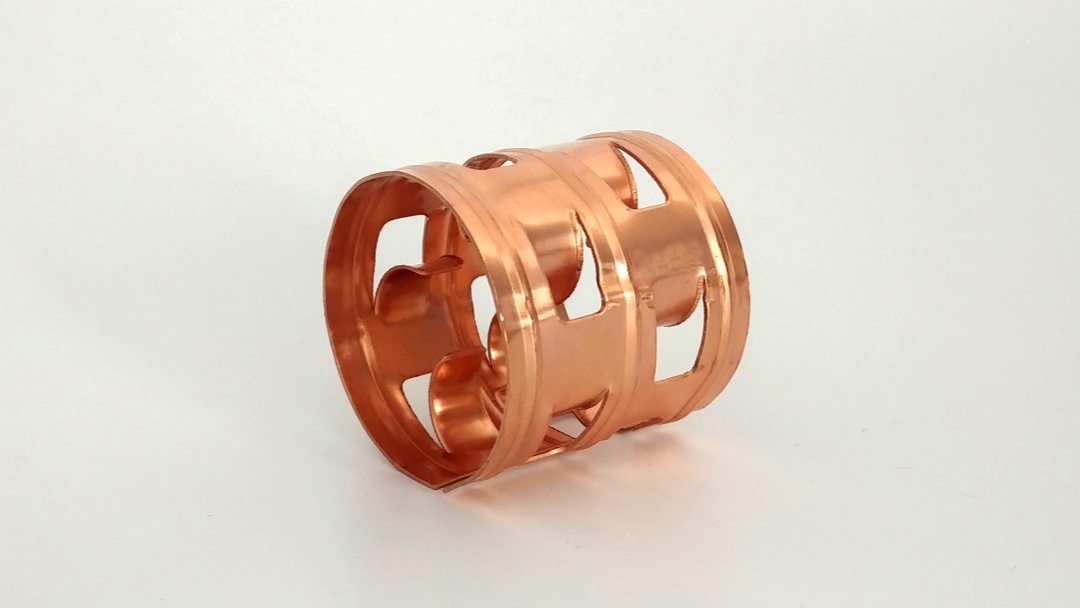
Figure 1: Precision-stamped Copper Pall Ring showcasing high open area and heat dissipation capability.
In processes where thermal management and specific corrosion resistance outweigh the need for high tensile strength, the Copper Pall Ring stands out. Unlike standard carbon or stainless steel packings, copper offers unmatched thermal conductivity (up to 400 W/m·K) and excellent resistance to acetic acid, seawater, and alkaline solutions. It is the specialist's choice for acetic acid distillation, electroplating recovery, and desalination plants.
This guide explores the metallurgical advantages of copper packing and how to leverage its unique properties for maximum ROI.—— FXSINO
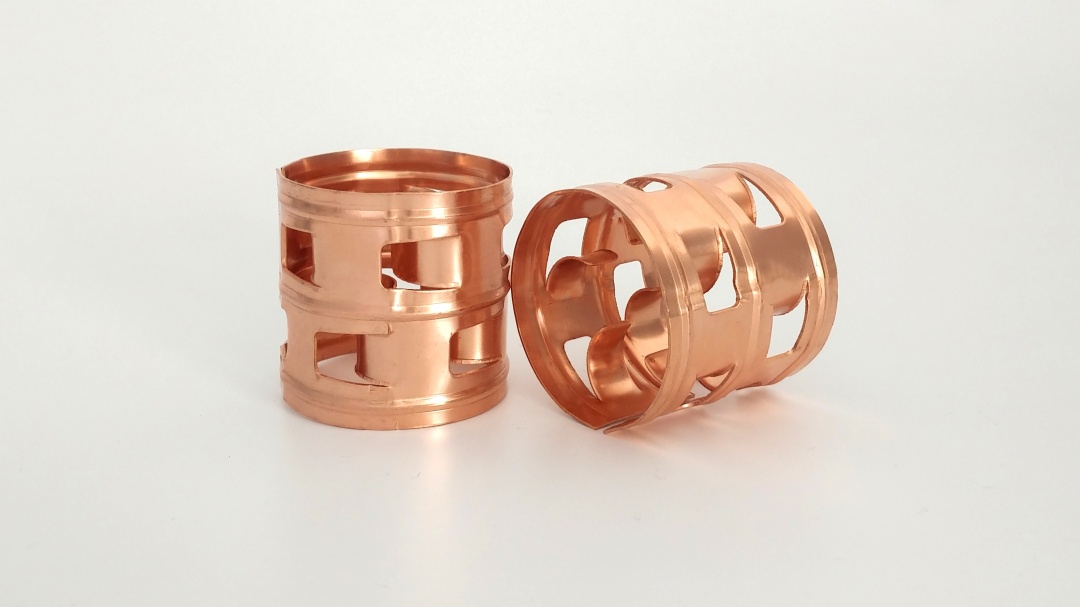
While Stainless Steel (316L) is the workhorse of the chemical industry, Copper (C11000/T2) dominates niche applications requiring heat dissipation or resistance to specific chemicals. Here is the technical breakdown:
| Feature | Copper Pall Ring | 316L Stainless Steel | Advantage |
|---|---|---|---|
| Thermal Conductivity | Excellent (~400 W/m·K) | Poor (~15 W/m·K) | Copper prevents hot spots |
| Acetic Acid Resistance | Superior | Susceptible to pitting | Copper for Acetic service |
| Magnetic Properties | Non-Magnetic | Slightly Magnetic | Copper for sensitive electronics |
| Antifouling (Marine) | Natural Biocide | None | Copper for Seawater |
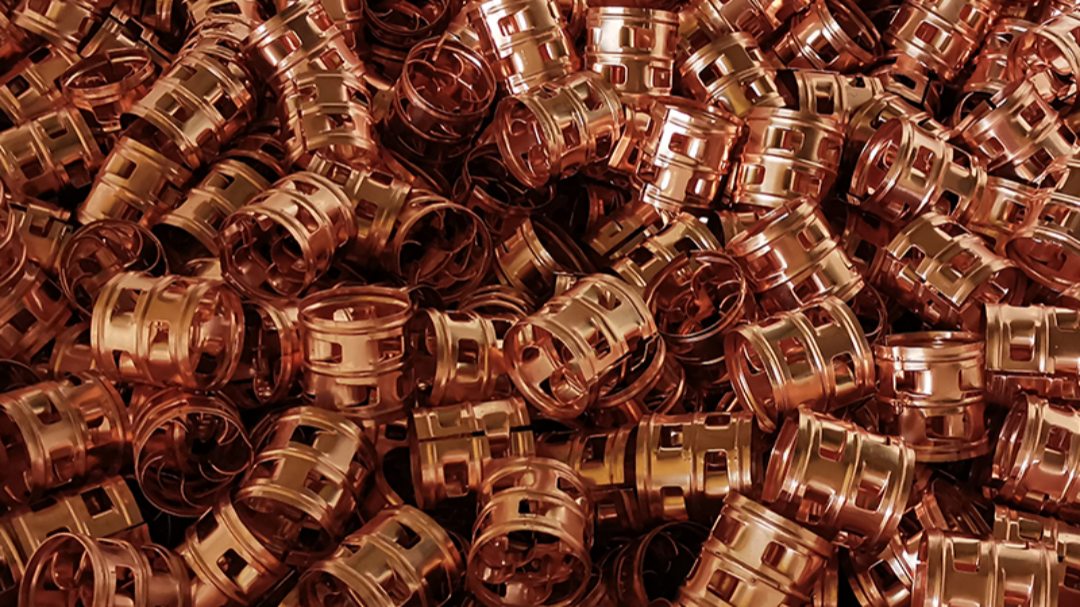
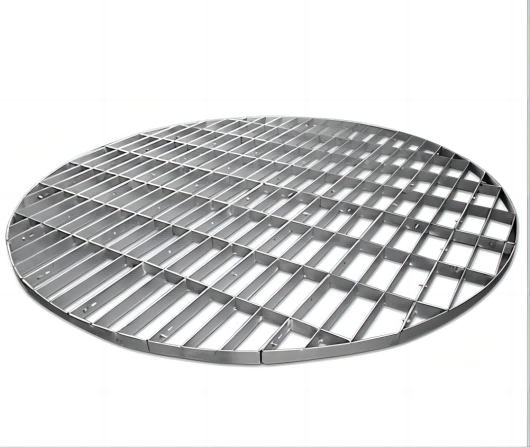
Copper is significantly softer than steel. In tall towers (>10m), the weight of the packing bed can deform the lower layers if not supported correctly. Always specify a support grid with higher load-bearing capacity and limit single-bed heights to 6 meters when using pure copper.
Copper is highly susceptible to SCC in the presence of ammonia or amines. Never use Copper Pall Rings in ammonia stripping or amine treating units. Switch to Monel or Stainless Steel for these services.
Above 200°C (392°F), copper begins to oxidize rapidly, forming scale that can flake off and clog downstream equipment. For high-temperature regenerative services, consider using a thin anti-oxidation coating or switch to high-temperature alloys.
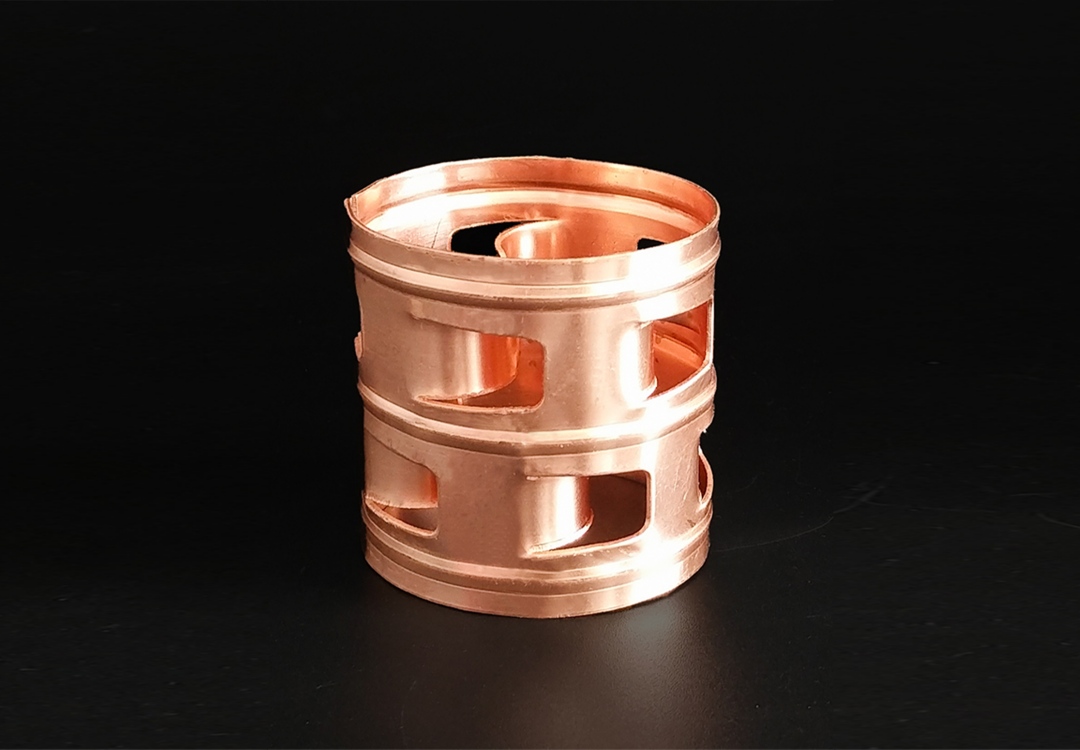
FXSINO manufactures high-precision Copper Pall Rings tailored for specialty chemical and marine engineering projects. Contact our engineers for a customized solution.
Contact FXSINO: [[jackieqiu9202@gmail.com]] | [[18507999558]]
© 2026 Jiangxi FXSINO Mass Transfer Technology Co., Ltd. All Rights Reserved.
 Address : Intersection of Jinguang Avenue and Chongqing Middle Road, Anyuan Industrial Park, Anyuan District, Pingxiang City, Jiangxi
 Tel : +86-18507999558
 Email : sales@fxsino.com
 WhatsApp :
+86-18507999558
WhatsApp :
+86-18507999558 IPv6 network supported Sitemap | XML | Blog | Privacy Policy