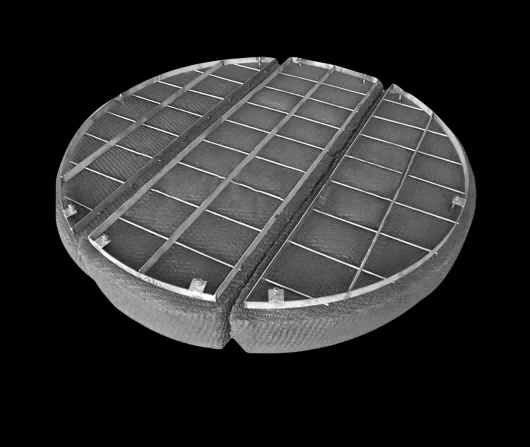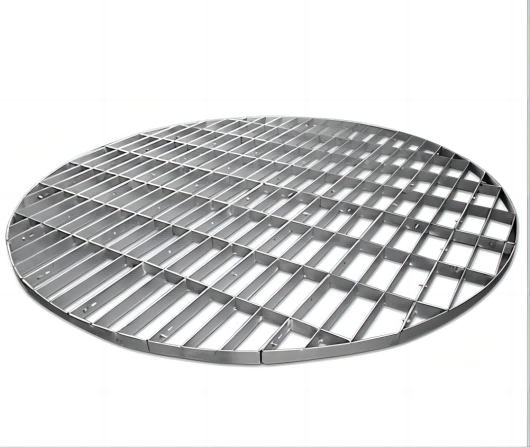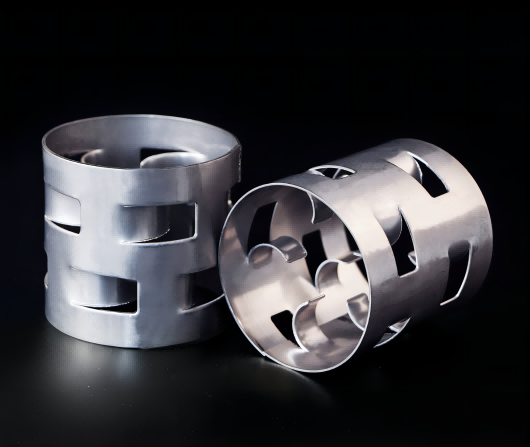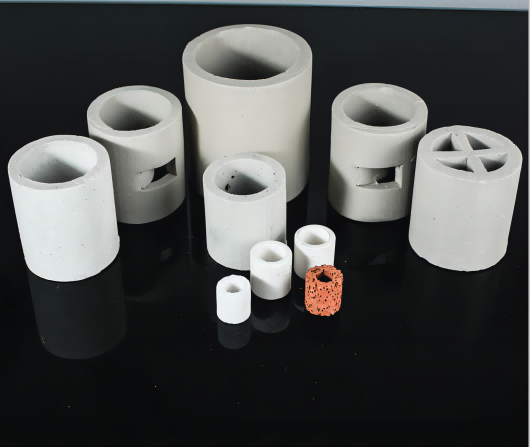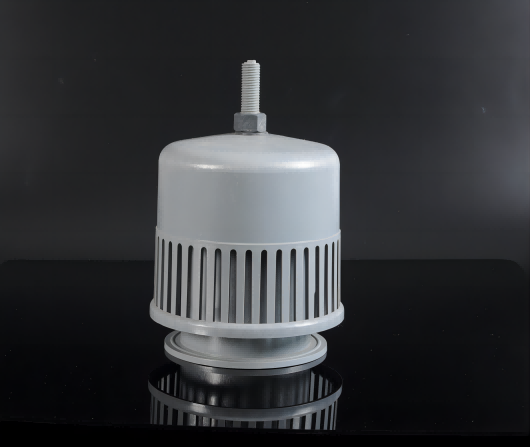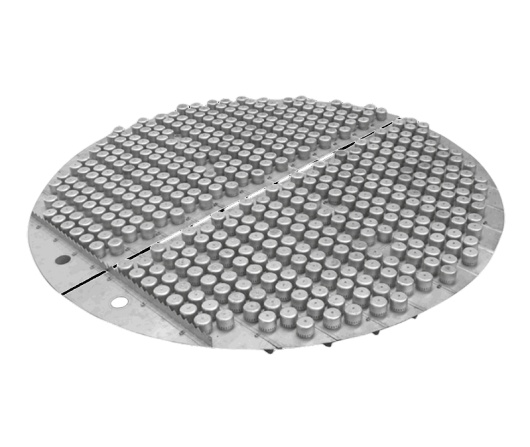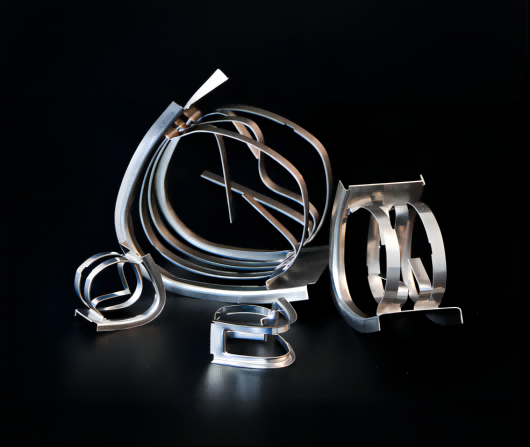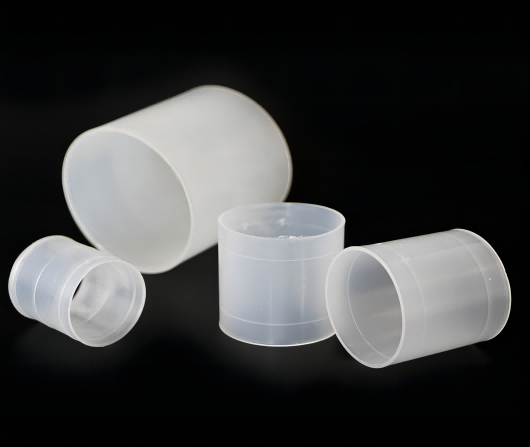

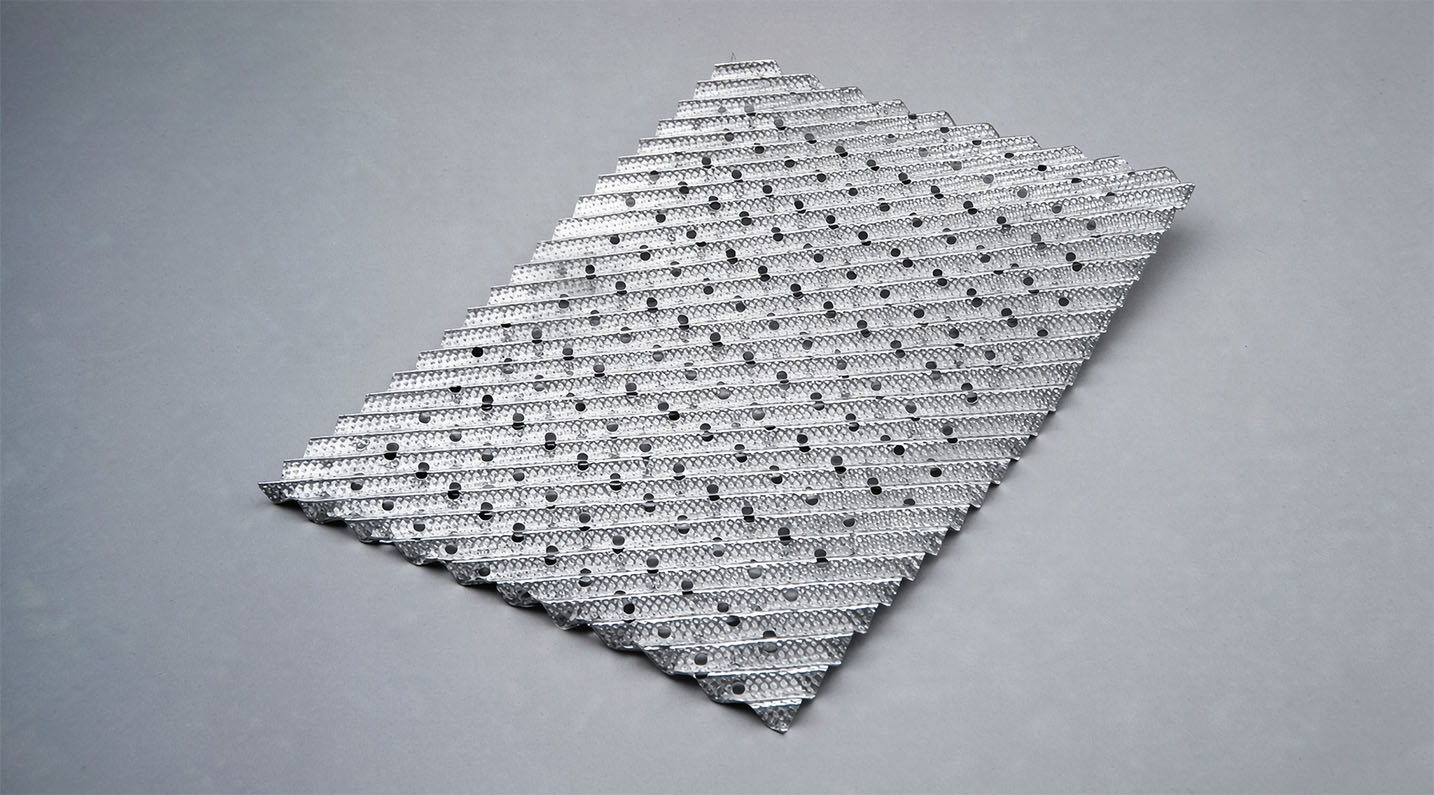
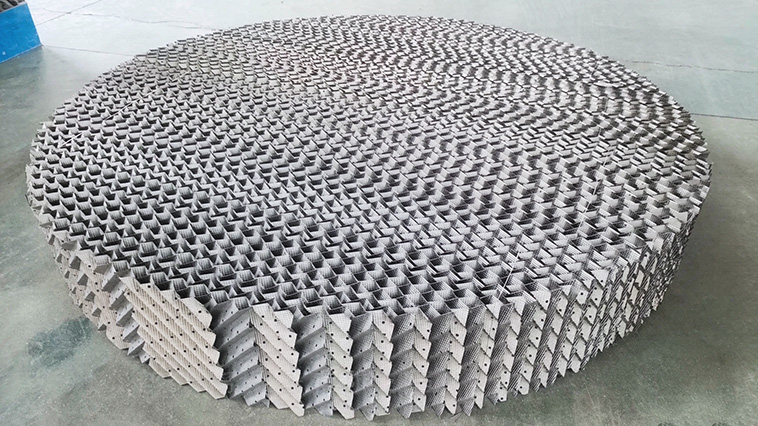
Figure 1: Close-up of perforated plate structured packing showing corrugation and uniform perforation pattern.
Bottom line: Perforated plate structured packing uses precision-punched holes (typically 4-5 mm diameter) on corrugated metal sheets to force liquid film renewal, eliminate dry spots, and create turbulent recirculation zones—delivering up to 20-30% higher mass transfer rates than unperforated surfaces in the same column.
When process engineers specify structured packing, the single most misunderstood feature is the perforation. Most buyers know they need "250Y" or "500Y," but few understand why the holes matter. This article breaks down the physics, the geometry, and the real-world payback of choosing perforated plate over unperforated or wire gauze alternatives.
Perforated plate structured packing is manufactured from thin metal sheets (usually 0.1-0.2 mm thickness) that are first punched with a regular pattern of holes, then corrugated at a fixed angle (typically 45° or 60°). Adjacent sheets are nested with reversed corrugation directions to form open, inclined flow channels.
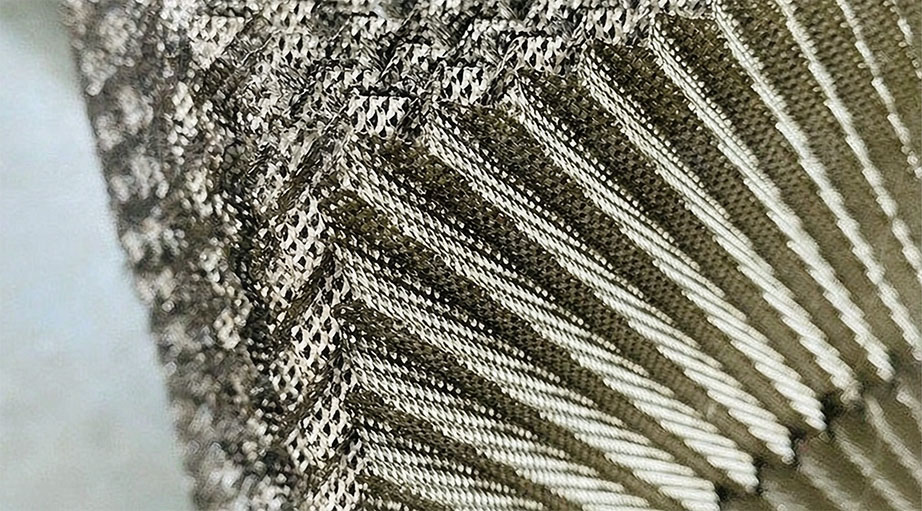
Each hole typically measures 4-5 mm in diameter. The combination of perforations and corrugation creates three simultaneous effects:
Common specifications include 125Y, 250Y, 350Y, 450Y, 500Y, and 700Y, with materials ranging from SS304L and SS316L to duplex stainless steels and titanium (Grade 2 / Grade 7).
Wettability is governed by contact angle: a low contact angle (≤90°) means the liquid spreads uniformly; a high angle (>90°) creates dry spots that kill mass transfer. On a smooth, unperforated metal plate, the liquid tends to channel along the corrugation valleys, leaving the peaks dry.
The Perforation Effect: When liquid encounters a hole, capillary forces pull it through, creating a "liquid curtain" (also called "twin film") on the underside. This curtain dramatically increases the active interfacial area and triggers intense capillary waves on the free surface.
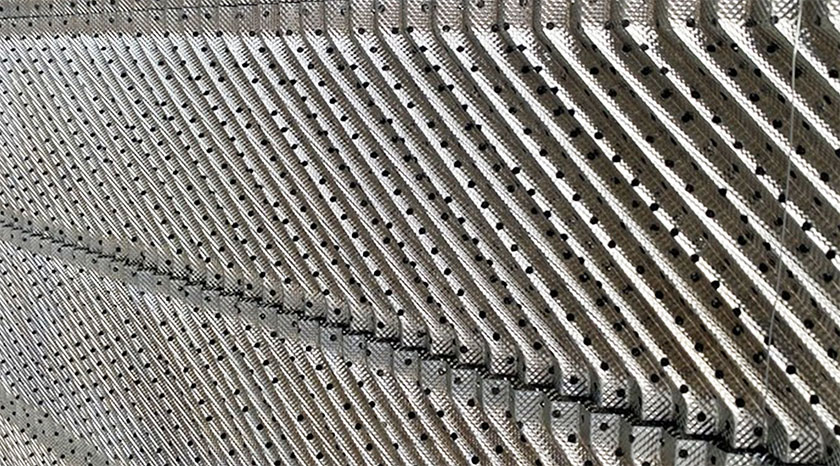
Figure 2: Liquid curtain formation through perforations (right) vs. channeling on unperforated plate (left).
Research from Air Liquide's R&D center using 2D-2C PTV optical flow visualization confirmed that perforated plates generate horseshoe vortices around each hole before curtain formation, followed by Dean vortices and kidney-pair recirculation after the curtain establishes. These chaotic eddies at higher Reynolds numbers produce:
According to recent studies on structured packing surface modification, optimizing wettability can enhance mass transfer rates by 20-30% while simultaneously reducing energy consumption. The efficiency gain comes from three measurable improvements:
| Performance Metric | Unperforated Plate | Perforated Plate |
|---|---|---|
| Liquid distribution uniformity | Moderate (channeling) | Excellent (homogeneous) |
| Dry spot incidence | High at low L/G ratio | Minimal, even at spray density 0.2 m³/(m²·h) |
| Mass transfer efficiency gain | Baseline | +20-30% |
| Fouling resistance | Low | Strong (self-cleaning effect) |
Perforated plate packing operates reliably at spray densities from 0.2 to 200 m³/(m²·h) and pressures from vacuum to high pressure, making it the true "all-purpose" structured packing for chemical, petrochemical, oil refining, and natural gas processing.
Standard practice uses 4-5 mm diameter holes. The open area ratio (total hole area ÷ plate area) must be balanced:
The corrugation angle directly controls the trade-off between efficiency and capacity:
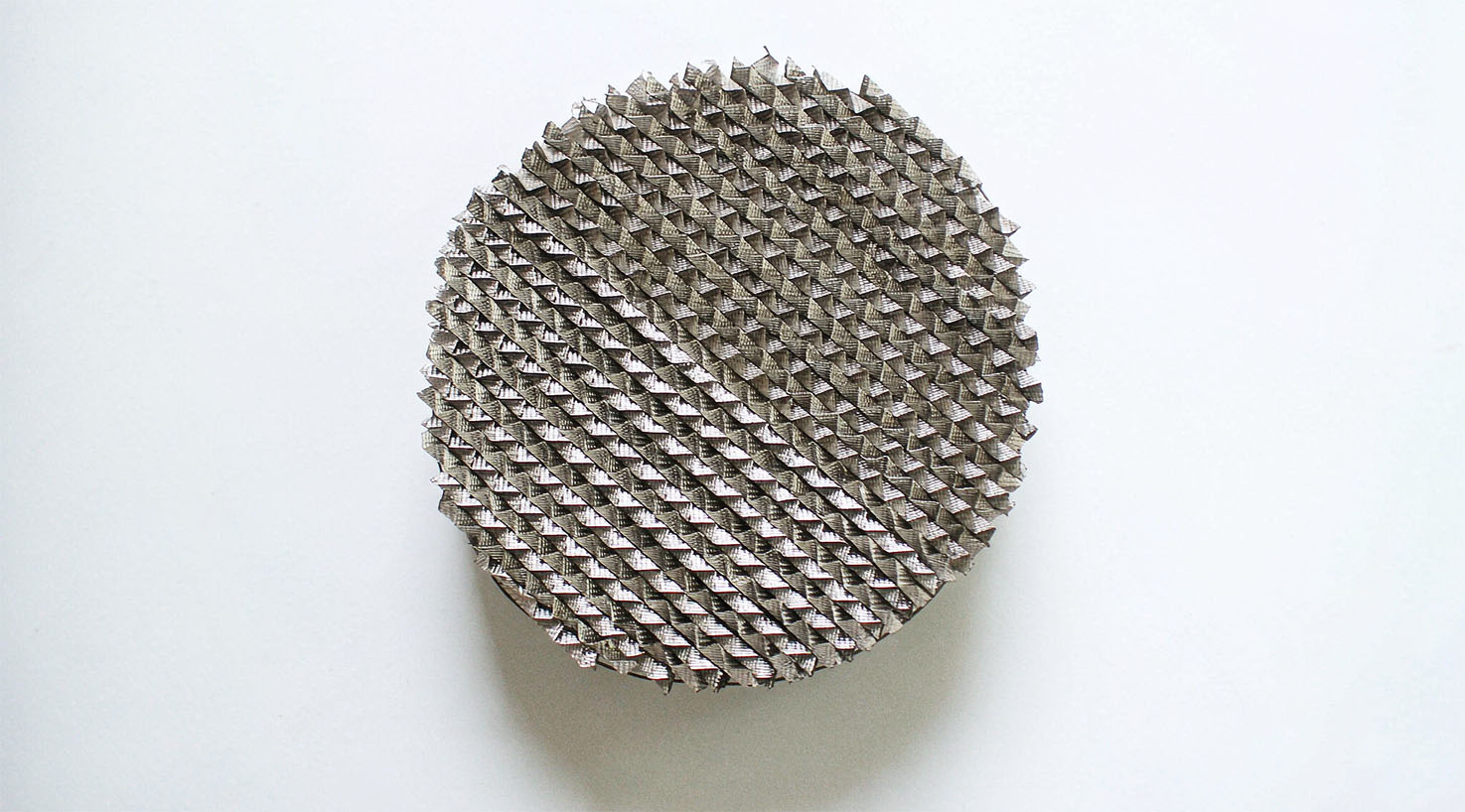
Both are "structured," but they serve different masters:
| Dimension | Perforated Plate | Wire Gauze |
| Best for | High L/G absorption, dirty services | Ultra-low pressure drop, high-purity distillation |
| Typical specific area | 125-700 m²/m³ | Up to 750 m²/m³ |
| Cost | Moderate | Higher (complex weaving) |
| Anti-fouling | Strong | Weak |
Rule of thumb: if your process involves H2S, CO2, or amine solutions with a high liquid load, perforated plate is your workhorse. For heat-sensitive vacuum distillation of fine chemicals where every Pascal of pressure drop counts, wire gauze wins. Need help choosing? Read our guide to 500Y for high-efficiency distillation.
Perforated plate structured packing dominates the following services:
The perforation itself is only as good as the metal around it. In chloride-containing environments, the edges of each hole become stress concentration points for pitting corrosion. This is why material selection is critical:
Q: Does perforation increase pressure drop?
A: Minimal. The open structure of perforated plate packing is specifically designed to minimize gas flow resistance, resulting in low-pressure drop and improved energy efficiency.
Q: Can perforated plate packing handle solids or foulants?
A: Yes. The strong anti-fouling properties and low liquid holdup allow the packing to withstand systems with slight particulate contamination, making it ideal for natural gas processing and absorption.
Q: What is the minimum tower diameter for perforated plate packing?
A: Applicable from 80 mm up to 13 m tower diameter. For diameters >1.5 m, the packing is supplied in block form for modular installation.
Send us your process data—fluid composition, L/G ratio, pressure, temperature, and tower diameter. Our engineers will recommend the optimal specific area (125Y to 700Y), material grade, and corrugation angle.
Contact FXSINO: jackieqiu9202@gmail.com | +86 18507999558
 Address : Intersection of Jinguang Avenue and Chongqing Middle Road, Anyuan Industrial Park, Anyuan District, Pingxiang City, Jiangxi
 Tel : +86-18507999558
 Email : sales@fxsino.com
 WhatsApp :
+86-18507999558
WhatsApp :
+86-18507999558 IPv6 network supported Sitemap | XML | Blog | Privacy Policy