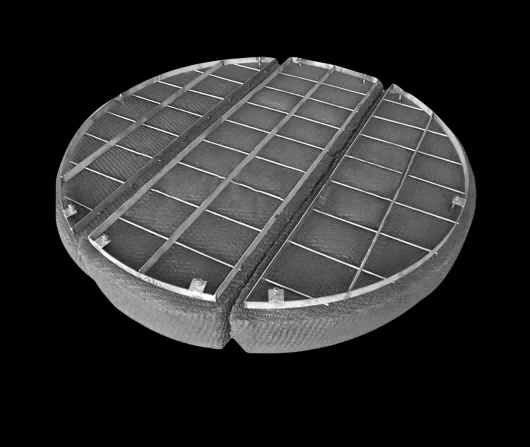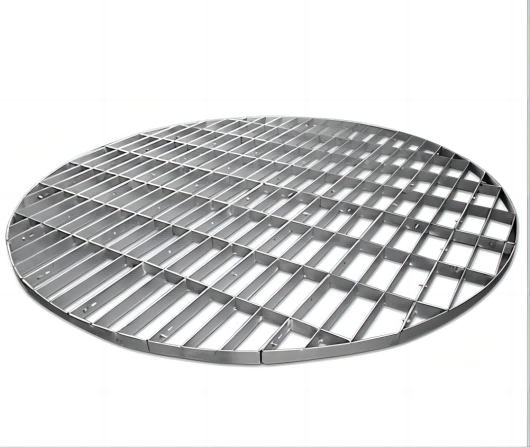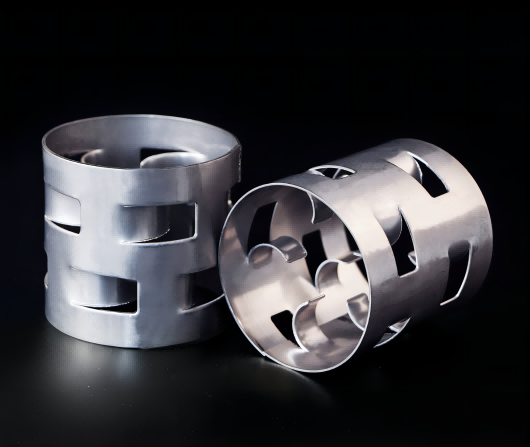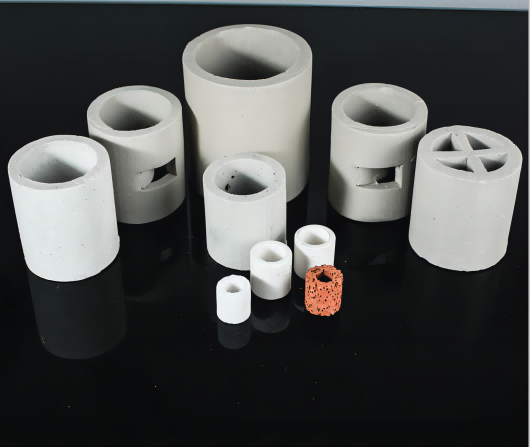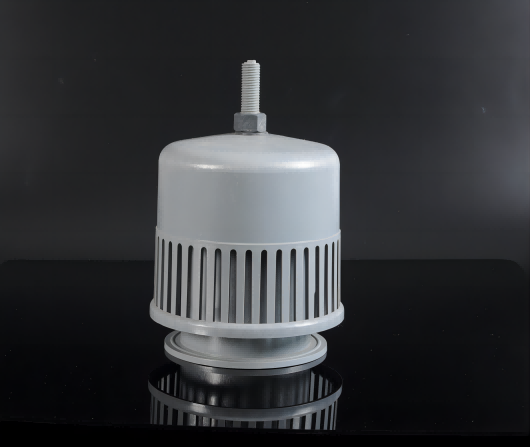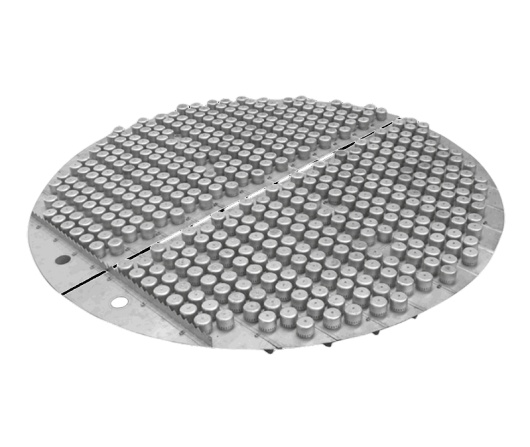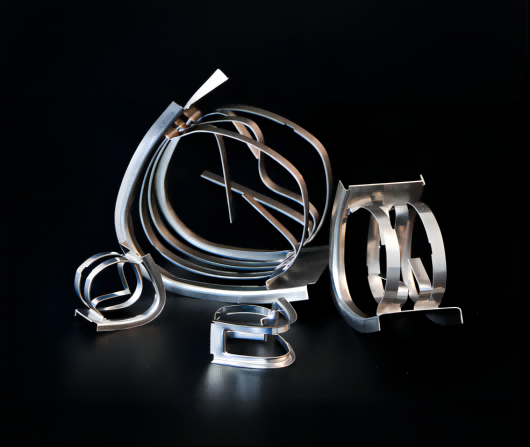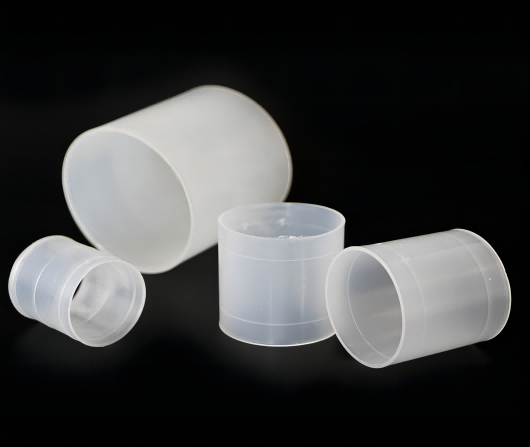

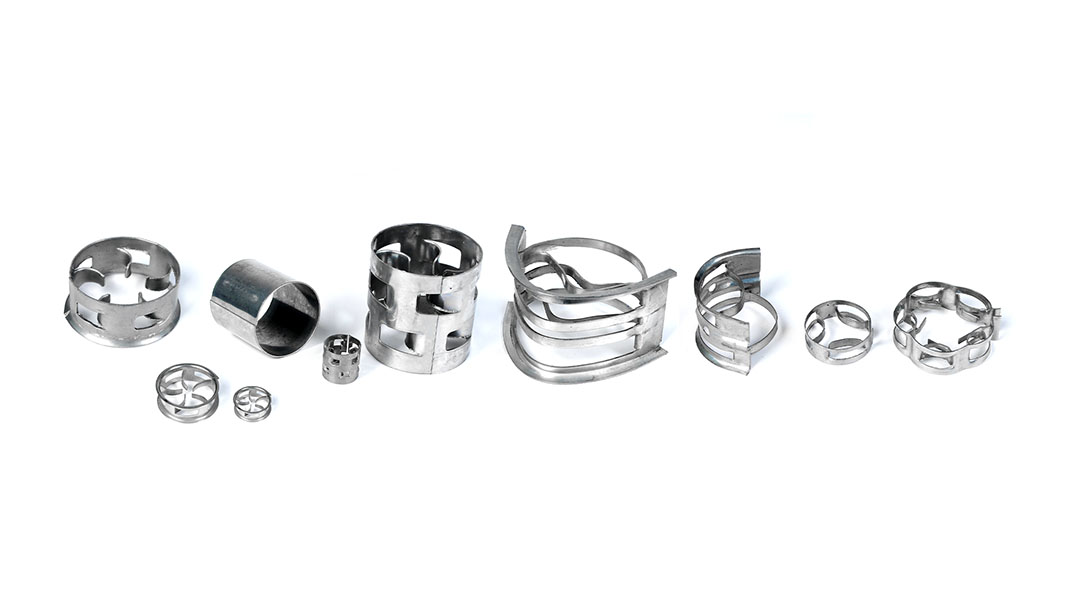
Figure 1: Overview of common distillation column packing types—from random rings to high-efficiency structured sheets.
Quick Answer: The right distillation column packing depends on 5 factors: (1) Operating pressure, (2) Liquid-to-gas ratio, (3) Corrosion & material, (4) Fouling potential, and (5) Capacity vs. efficiency trade-off. Get these wrong, and you risk poor separation, premature failure, or costly rework.
Selecting distillation column packing isn't a commodity purchase—it's a design decision that directly impacts your column's separation efficiency, energy consumption, and uptime. Whether you're revamping an old tower or designing a new one, this guide walks you through the 5 engineering factors that determine the right choice.
Pressure is the single most important constraint in packing selection because it dictates how much pressure drop your process can tolerate.
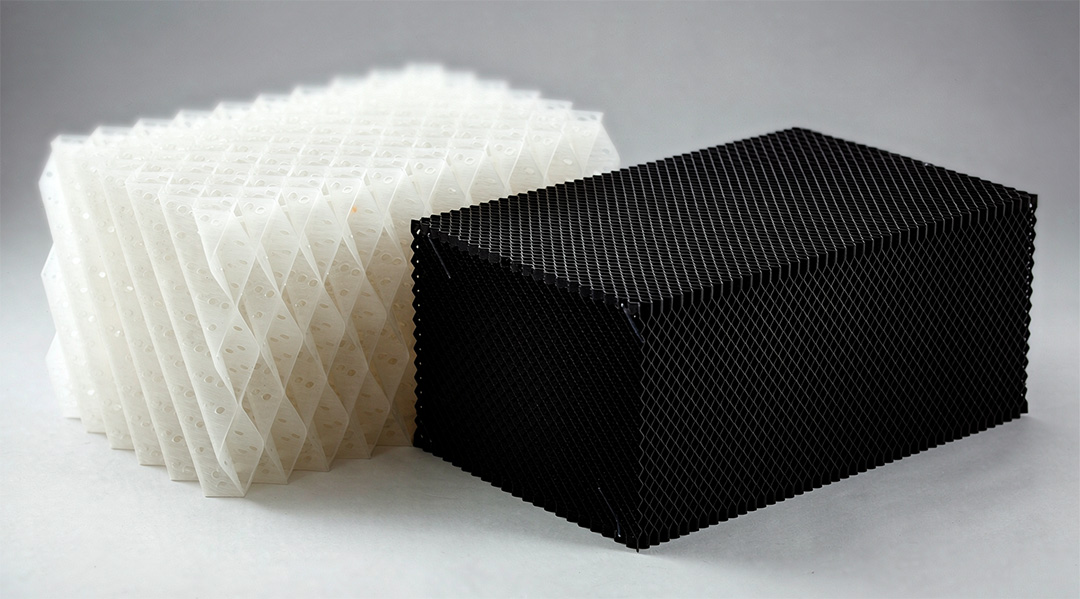
The L/G ratio determines whether you need packing that excels at liquid distribution or gas-liquid interfacial area.
Rule of Thumb: High L/G ratio (absorption, scrubbing) demands excellent liquid redistribution—perforated plate packing is the clear winner. Low L/G ratio (fractionation, stripping) requires maximum surface area—wire gauze or high-area structured packing (500Y, 700Y) is the answer.
For a deep dive into how perforations solve liquid distribution problems, read our guide on Perforated Plate Structured Packing: Boost Wettability & Efficiency.
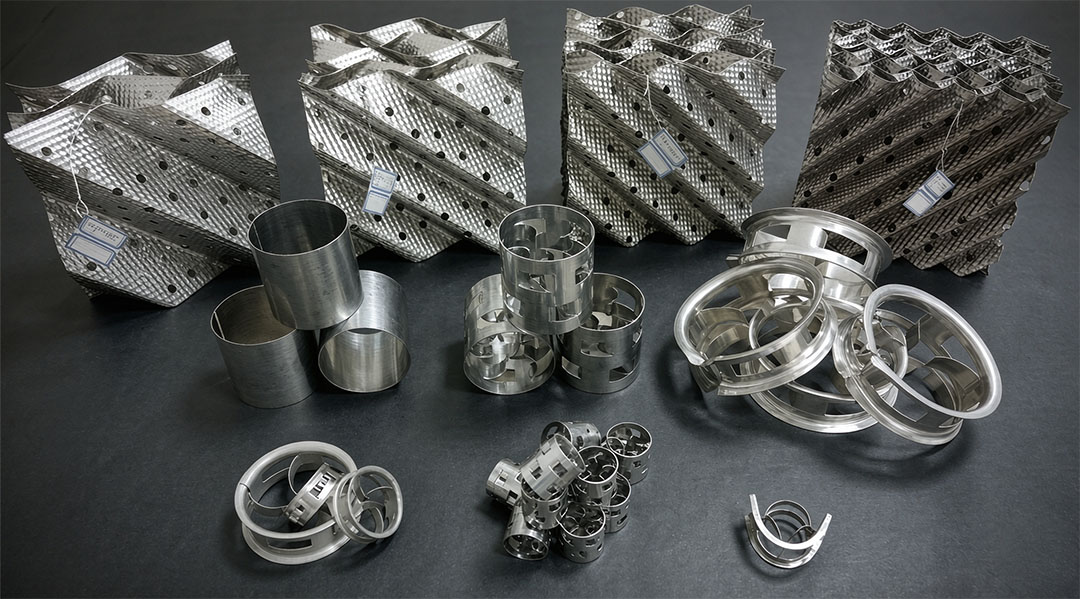
Your packing will fail prematurely if the material can't withstand the process chemistry. The most common mistake? Underestimating chlorides.
| Process Condition | Recommended Material | Why |
|---|---|---|
| Clean organics, no chlorides | SS304L | Cost-effective, good general corrosion resistance |
| H2S, CO2, amines with chlorides | SS316L | 2-3% Molybdenum resists pitting up to 1000-2000 ppm Cl- |
| Hot concentrated chlorides | Titanium Gr.2 / Gr.7 | Superior resistance to pitting and crevice corrosion |
| Strong sulfuric acid | Alloy 20 / Hastelloy C276 | Withstands aggressive acid at elevated temperatures |
Need help deciding between the two most common grades? Check our detailed comparison: 304 vs 316L Structured Packing: Which is Right for You?
If your feed contains suspended solids, polymers, or tar, standard structured packing will blind quickly. The solution is perforated plate with a self-cleaning mechanism.
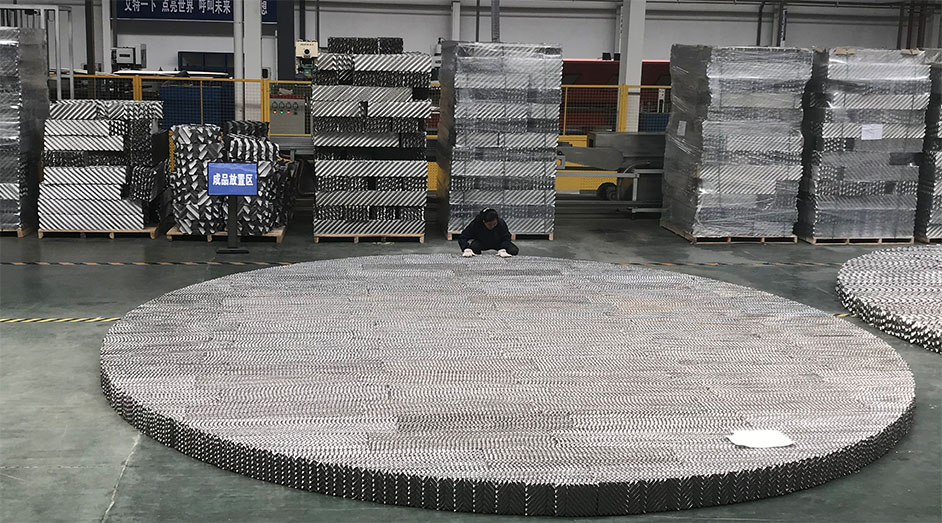
This is the classic engineering compromise. You can't maximize both at the same time.
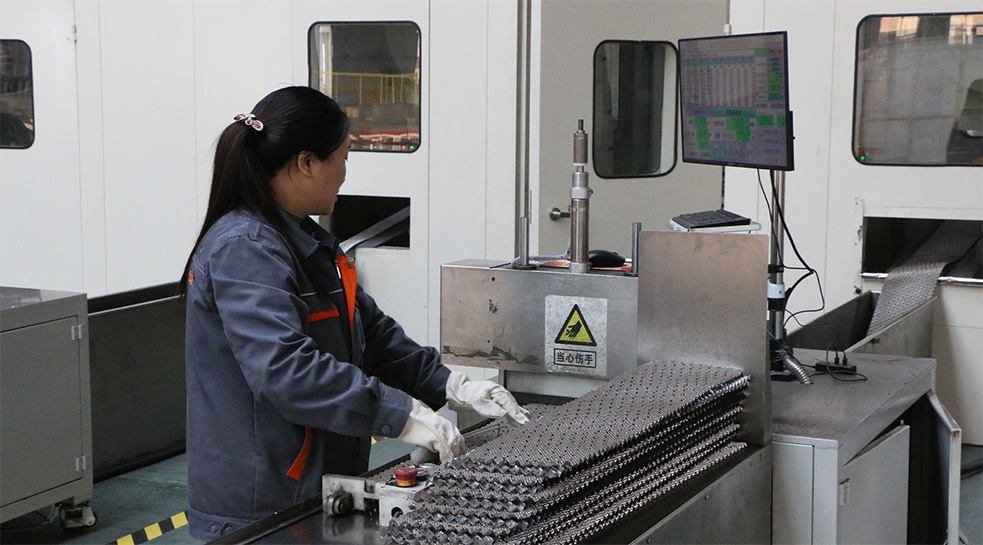
| Priority | Specific Area (m²/m³) | Corrugation | Example Model |
| Maximum Efficiency | 500 - 750 | 45° (Y-type) | 500Y Structured Packing |
| Balanced | 250 - 350 | 45° or 60° | 250Y Metal Structured Packing |
| Maximum Capacity | 125 - 250 | 60° (X-type) | 125X / 250X |
Use this matrix as a starting point. For detailed engineering, always consult with your packing supplier.
Step 1: What is your operating pressure? → If vacuum, go to 250Y/500Y (Y-type). If high pressure, go to 125X/250X.
Step 2: What is your L/G ratio? → High L/G: Perforated plate. Low L/G: Wire gauze or high-area structured.
Step 3: What corrosives are present? → Match material (304L, 316L, Duplex, Ti).
Step 4: Is fouling a concern? → Yes: Perforated plate. No: Any type.
Step 5: Capacity or efficiency priority? → Choose specific area and corrugation angle accordingly.
Q: Can I use random packing instead of structured packing?
A: Yes, for less demanding separations. Random packing (e.g., metal Pall rings) costs less and handles fouling well, but delivers lower efficiency per meter of height. Structured packing is the choice when you need maximum theoretical stages in a limited tower height.
Q: How long does structured packing last?
A: In clean service with proper material selection, 10-15 years is typical. In corrosive or fouling service, expect 3-7 years before efficiency drops below acceptable limits.
Q: What is the minimum liquid distribution requirement?
A: For structured packing, a good rule is one liquid drip point per 50-100 cm² of tower cross-section. Poor distribution wastes the packing's efficiency potential regardless of the type you choose.
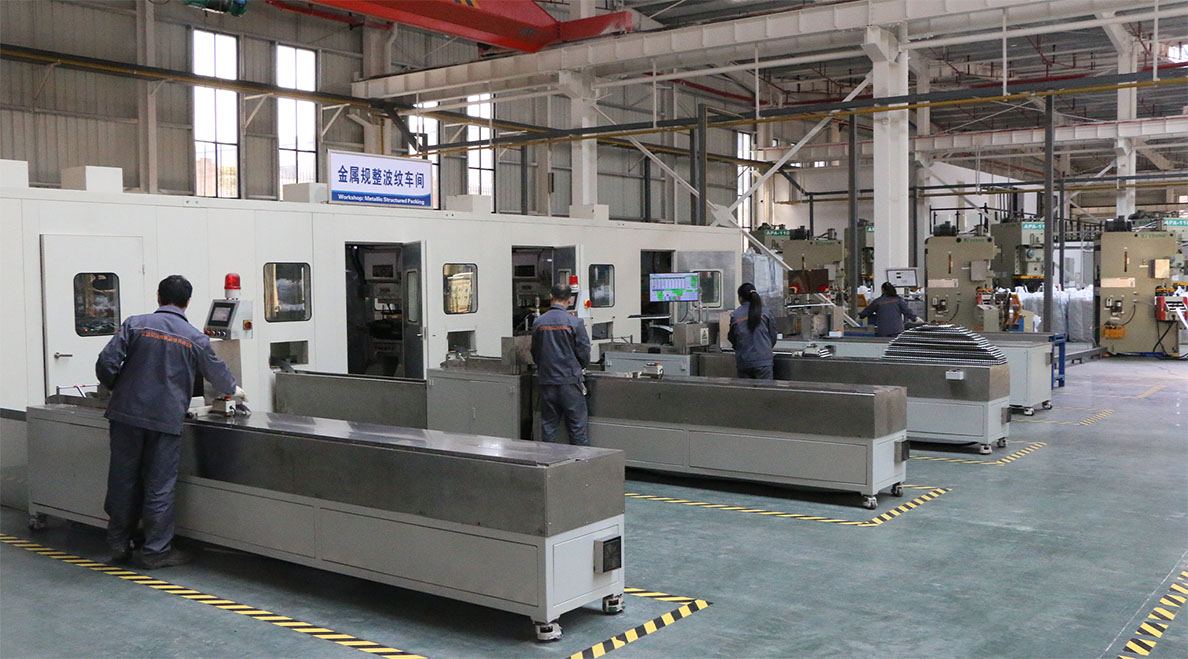
Send us your process parameters—pressure, temperature, L/G ratio, fluid composition, and tower diameter. Our engineers will specify the optimal packing type, material, and geometry for your column.
Contact FXSINO: jackieqiu9202@gmail.com | +86 18507999558
 Address : Intersection of Jinguang Avenue and Chongqing Middle Road, Anyuan Industrial Park, Anyuan District, Pingxiang City, Jiangxi
 Tel : +86-18507999558
 Email : sales@fxsino.com
 WhatsApp :
+86-18507999558
WhatsApp :
+86-18507999558 IPv6 network supported Sitemap | XML | Blog | Privacy Policy