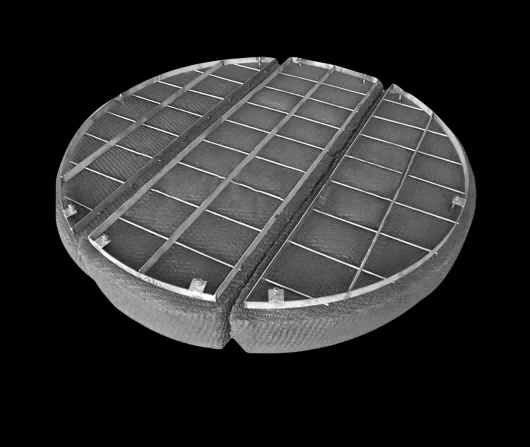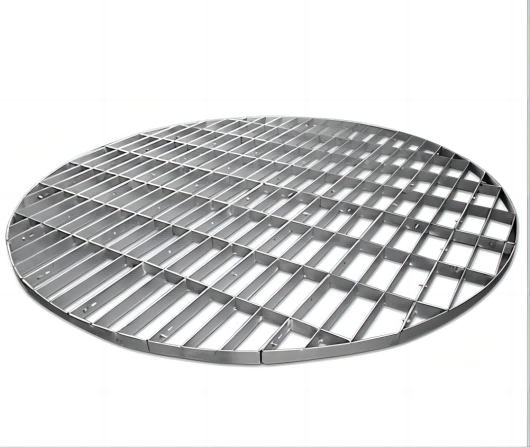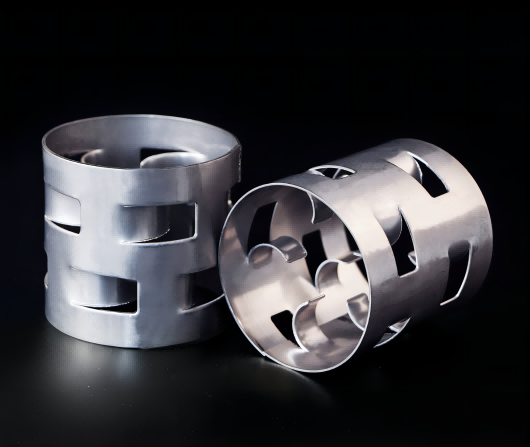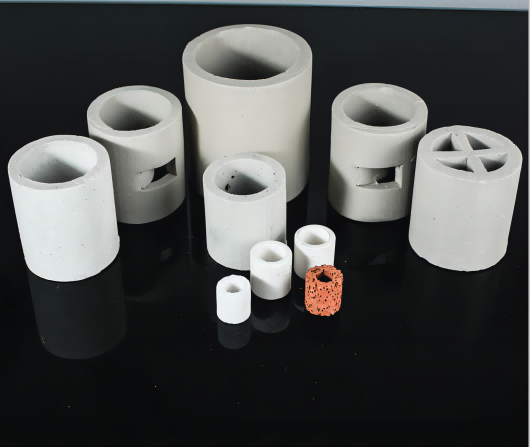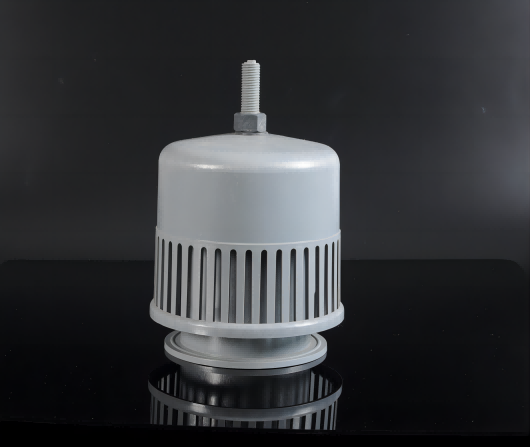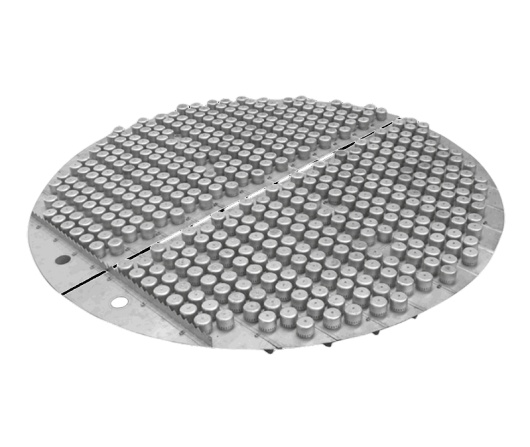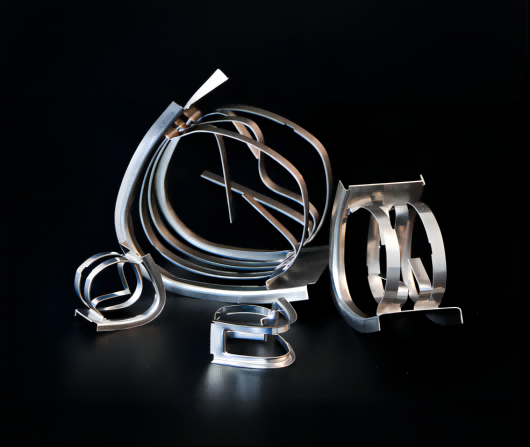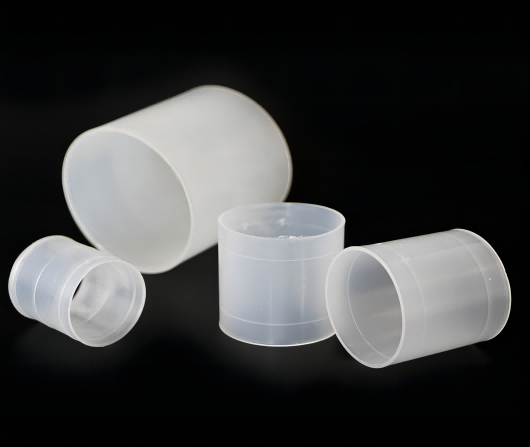

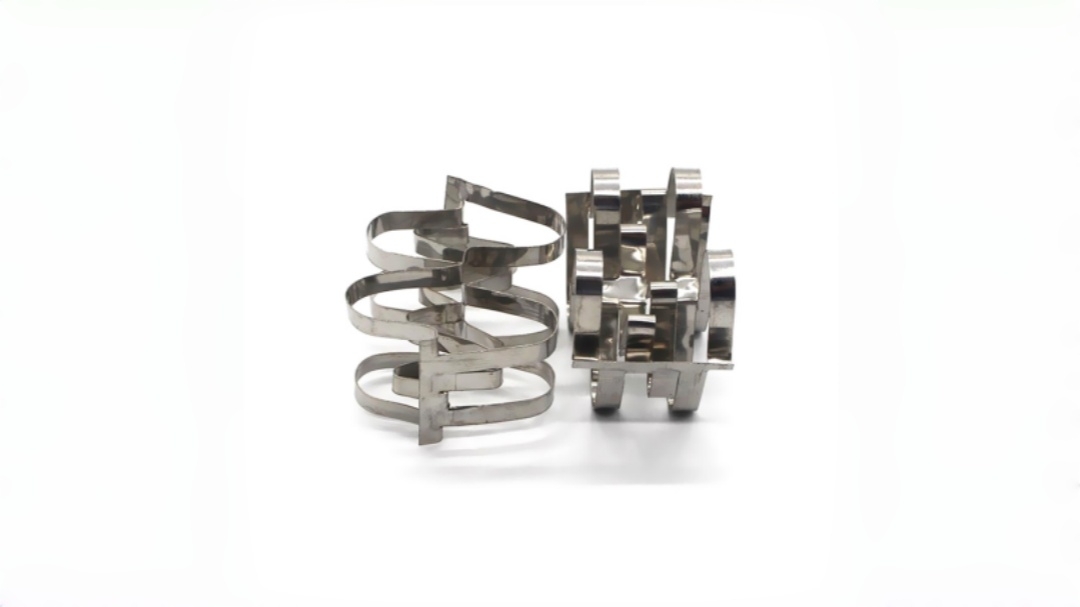
Figure 1: The multi-lobe design prevents nesting and enhances structural integrity.
The Super Raschig Ring is not just an incremental improvement—it’s a geometric revolution. By adding internal windows, stiffening ribs, and a multi-lobe periphery, this packing solves the age-old problems of nesting and uneven liquid distribution associated with standard Raschig Rings. It delivers superior performance in catalyst support, acid gas scrubbing, and high-temperature incineration.
This guide covers the engineering advantages and critical handling procedures for Super Raschig Rings.—— FXSINO
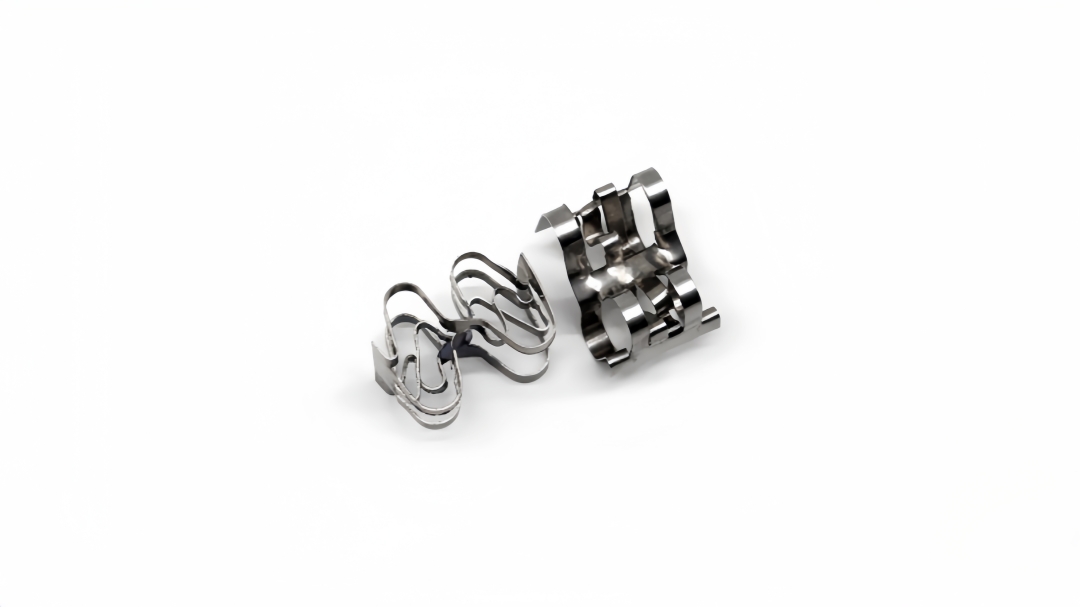
The evolution from standard to Super Raschig Ring focuses on maximizing void fraction while maintaining structural strength. Here is the comparison:
| Feature | Super Raschig Ring | Standard Raschig Ring | Best Application |
|---|---|---|---|
| Nesting Tendency | None (Anti-nesting) | High (Stacks easily) | Super for random beds |
| Mechanical Strength | Very High (Ribbed) | Moderate | Super for deep beds |
| Pressure Drop | Low | Higher | Super for fans/compressors |
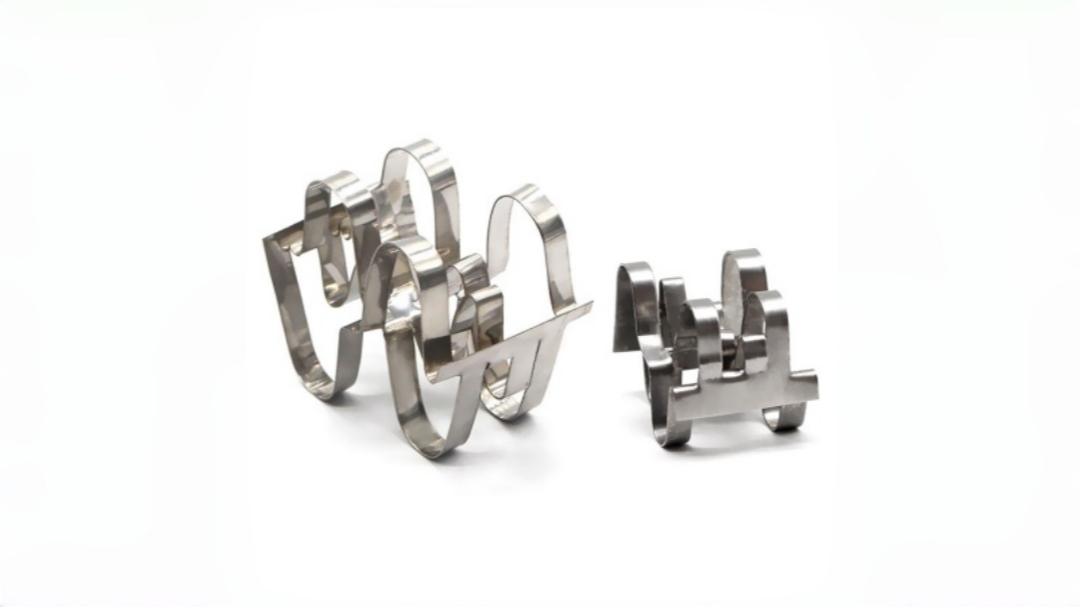
While random packing is generally orientation-agnostic, the Super Raschig Ring's internal ribs perform best when allowed to settle naturally. Forcing them into position or using high-velocity air blowing can cause them to lock together. Allow rings to free-fall gently into the tower to ensure maximum randomness.
Used in RTO (Regenerative Thermal Oxidizers) or high-heat scrubbers, the ribs expand. If the packing is packed too tightly, there is no room for thermal expansion. Leave a 5-10% freeboard at the top of the bed to accommodate expansion and prevent crushing the support grid.
New ceramic rings often have dust from manufacturing. In sulfuric or phosphoric acid service, this dust can form a sludge that blinds the packing. Pre-wash the packing with clean water before loading to remove all ceramic fines.
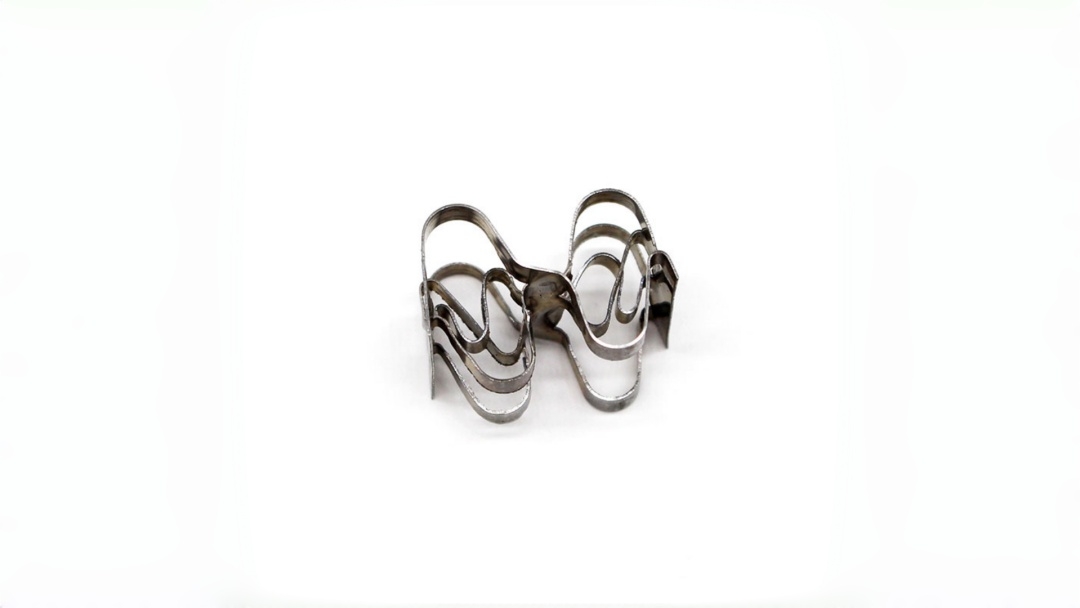
FXSINO manufactures precision-molded Super Raschig Rings for the most aggressive chemical environments. Send us your tower dimensions for a packing volume estimate.
Contact FXSINO: [[jackieqiu9202@gmail.com]] | [[18507999558]]
© 2026 Jiangxi FXSINO Mass Transfer Technology Co., Ltd. All Rights Reserved.
 Address : Intersection of Jinguang Avenue and Chongqing Middle Road, Anyuan Industrial Park, Anyuan District, Pingxiang City, Jiangxi
 Tel : +86-18507999558
 Email : sales@fxsino.com
 WhatsApp :
+86-18507999558
WhatsApp :
+86-18507999558 IPv6 network supported Sitemap | XML | Blog | Privacy Policy