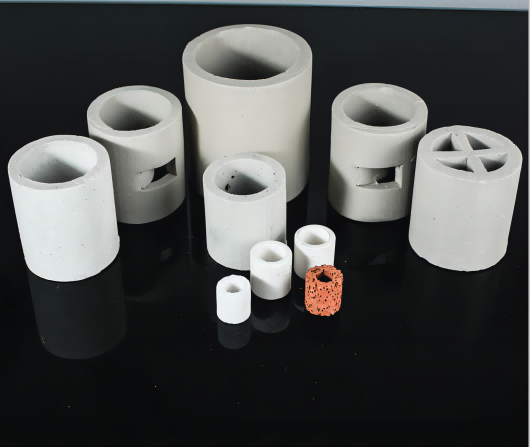

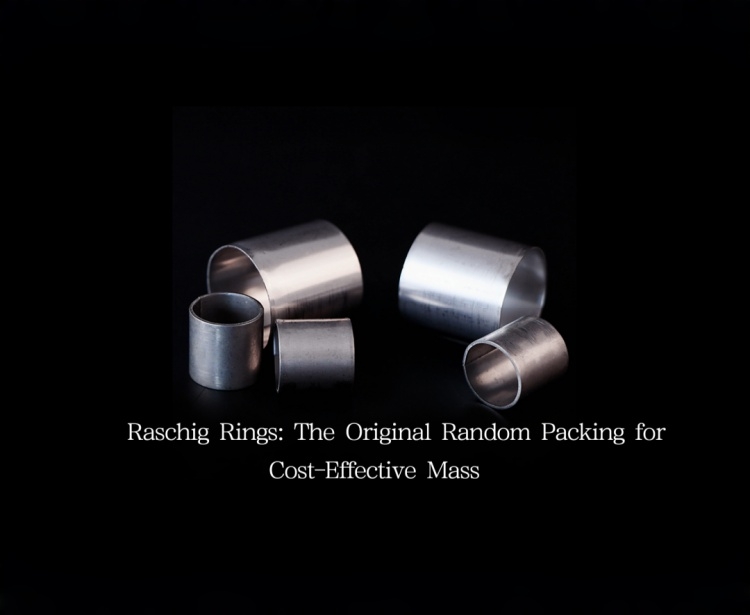
Figure 1: Standard Ceramic Raschig Rings, the workhorse of random packing.
Invented in 1914, the Raschig Ring remains the most economical solution for absorption, stripping, and distillation towers. While newer packings offer lower pressure drop, Raschig Rings provide unmatched chemical resistance at a fraction of the cost, especially in high-temperature ceramic applications.
This guide covers how to select the right material (Ceramic, Metal, or Plastic) and avoid common pitfalls like breakage and high-pressure drop.
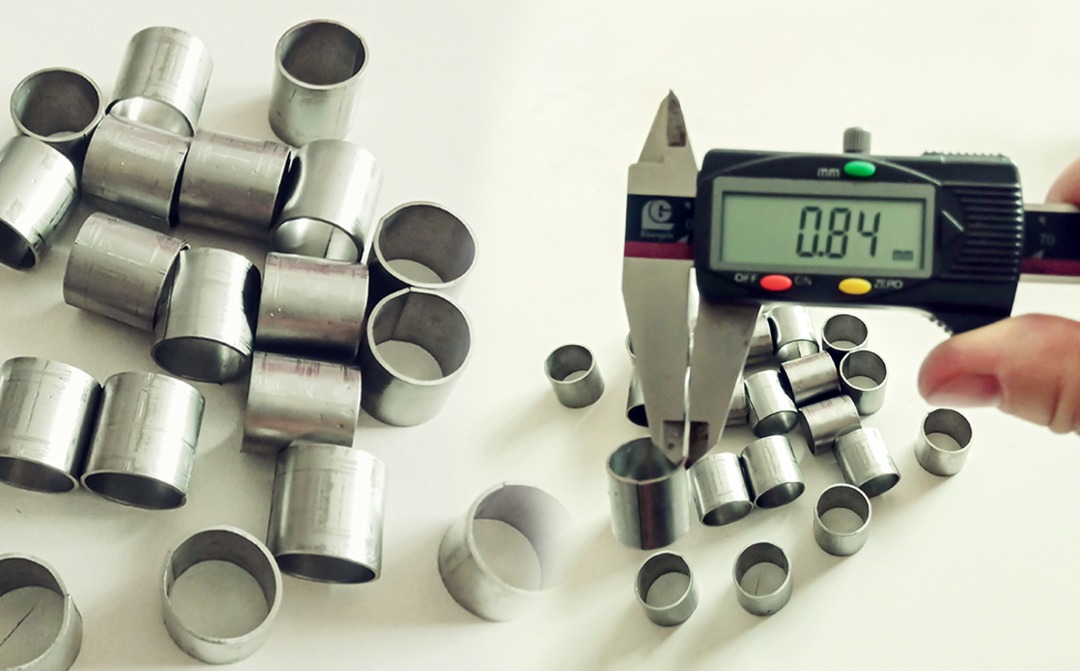
The choice of material defines the operational limits. Here is the breakdown for selecting your Raschig Rings:
| Material | Max Temp | Chemical Resistance | Best Application |
|---|---|---|---|
| Ceramic / Porcelain | 1200°C | Excellent (Acids) | H2SO4 Drying Towers, High Heat |
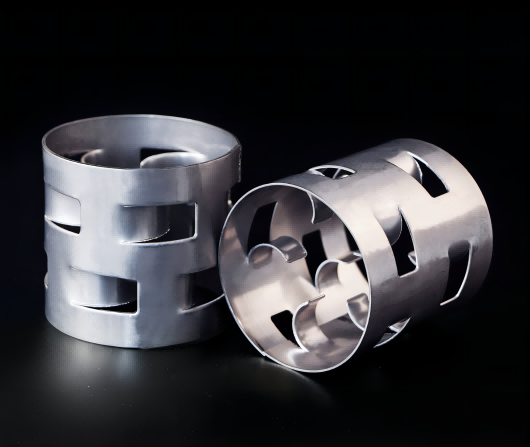
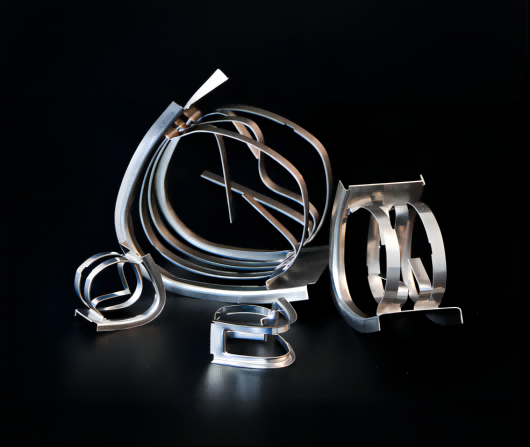
| Metal (SS304/316) | 400°C | Good (Broad) | Hydrocarbon Distillation, Heat Shock |
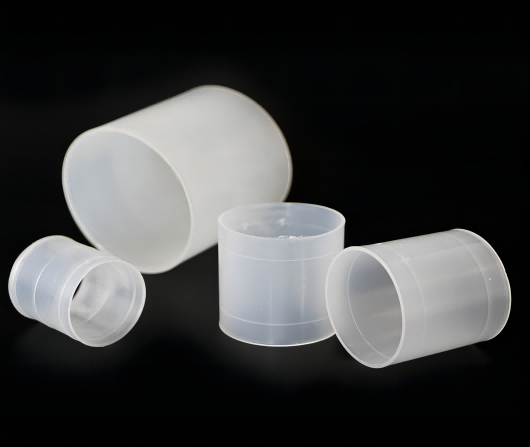
| Plastic (PP/PVC) | 90°C | Good (Bases) | Water Treatment, Caustic Scrubbing |
Due to their simple shape, Raschig Rings have a larger "wall effect" (liquid channeling along the tower walls). To mitigate this, use multiple sizes or ensure proper liquid distributors are installed above the bed.
Ceramic rings are brittle. Dropping them from the top of a 10-meter tower will shatter them into dust, clogging the support plate. Use a loading chute or sock-loading technique to minimize free-fall distance.
If the ring diameter is too large relative to the tower diameter (exceeding 1/8th of the tower ID), severe channeling occurs. Always maintain a tower-to-ring diameter ratio > 8:1.
FXSINO supplies millions of Raschig Rings monthly for global chemical plants. Send us your required size (16mm, 25mm, 38mm, 50mm, 76mm) and material for a competitive quote.
Contact FXSINO: [[jackieqiu9202@gmail.com]] | [[18507999558]]
© 2026 Fxsino Petrochemical PackingCo.,Ltd All Rights Reserved.
 Address : Intersection of Jinguang Avenue and Chongqing Middle Road, Anyuan Industrial Park, Anyuan District, Pingxiang City, Jiangxi
 Tel : +86-18507999558
 Email : sales@fxsino.com
 WhatsApp :
+86-18507999558
WhatsApp :
+86-18507999558 IPv6 network supported Sitemap | XML | Blog | Privacy Policy