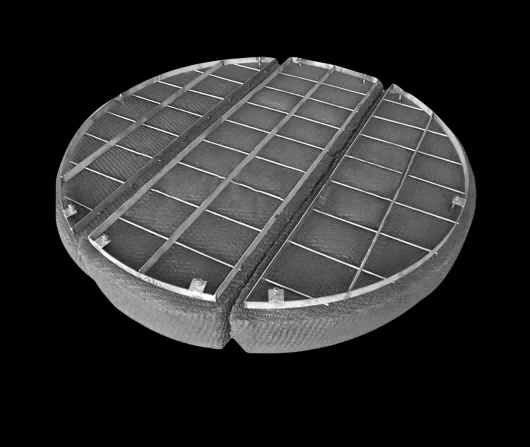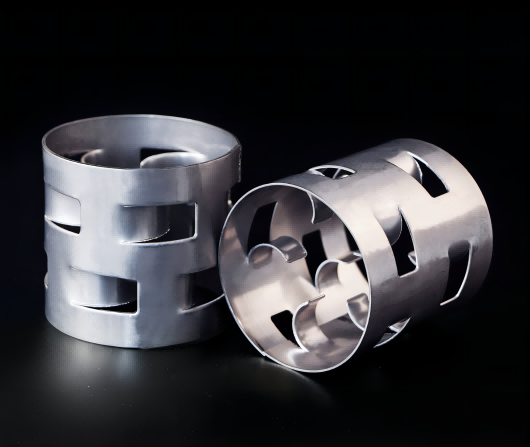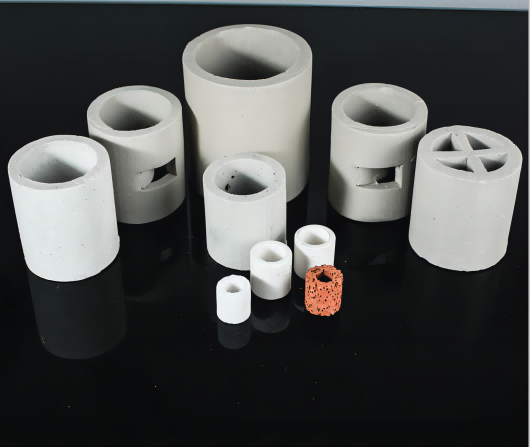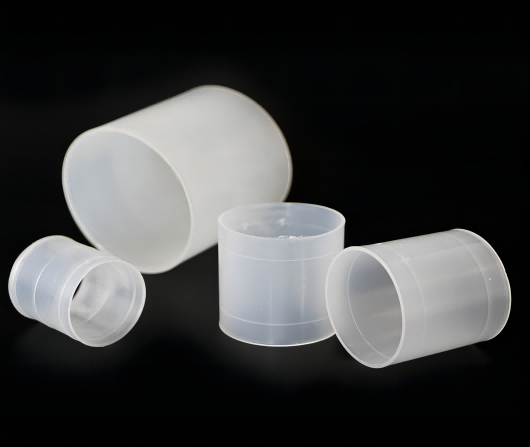

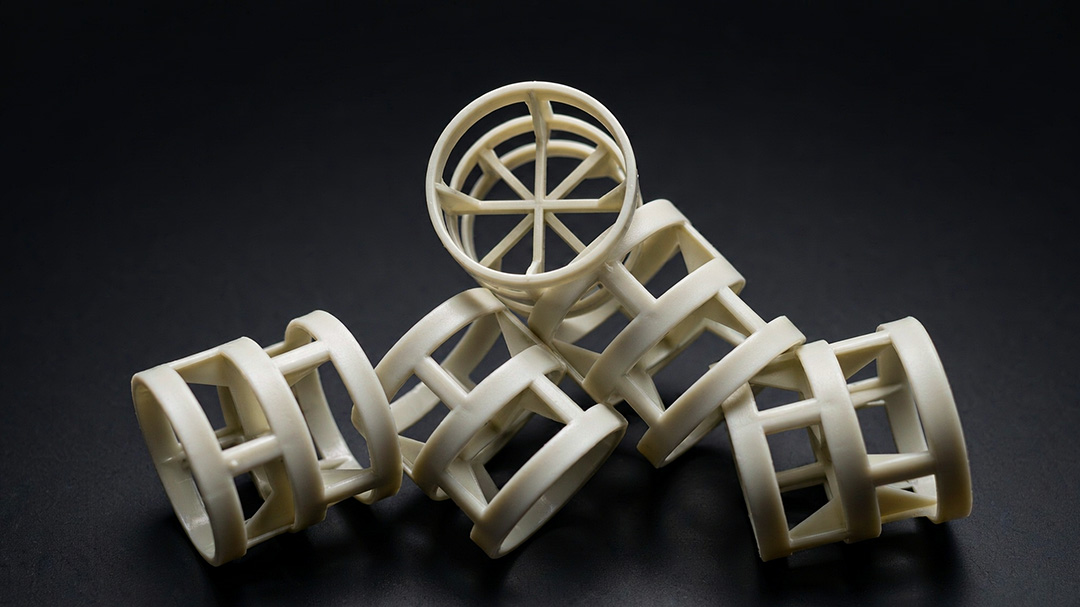
Figure 1: Same nominal size extruded in PP, HDPE and CPVC — wall colour is cosmetic; continuous-use temperature defines real service life.
Engineer's Brief: None of the three resins is universally "longest-lasting". PP is the cost-performance default below ~90°C for alkaline and mild aqueous service. CPVC holds stiffness and chemical stability at higher temperature and in oxidizing/chlorinated streams where PP softens. PE (HDPE) resists impact and low-temperature brittleness but creeps earlier under packed-bed load, so it is rarely specified as primary random packing above 60°C. FXSINO manufactures and custom-fabricates all three grades as plastic hollow ring packing, saddle and Pall variants for scrubber retrofits.
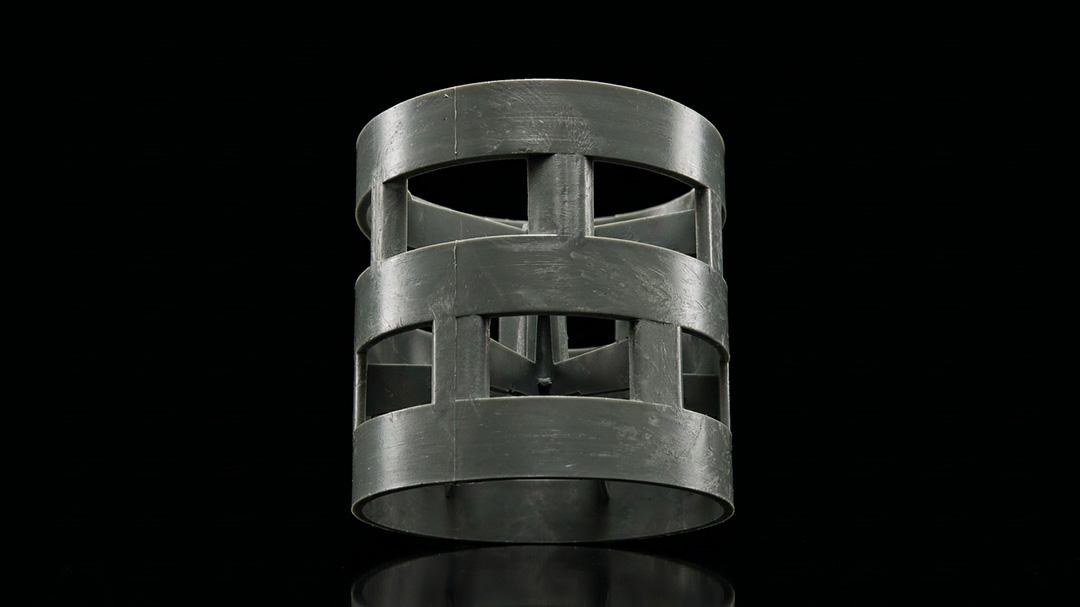
Figure 2: Wall integrity under magnification — uniform extrusion and controlled wall thickness delay creep-driven bed collapse.
| Resin | Typical continuous service | Max short-term peak | Creep under bed load | FXSINO common form |
|---|---|---|---|---|
| PP (homopolymer) | ~90°C | ~110°C | Moderate; softens near ceiling | Hollow ring / saddle |
| PP copolymer | ~95–100°C | ~120°C | Better impact, similar creep | Ripple ring, tower fill |
| HDPE | ~60–70°C | ~80°C | Highest cold creep, avoid deep beds | Low-temp scrubber media |
| CPVC | ~95–100°C (aqueous) | ~110–120°C | Stiffest at heat; lowest deformation | Hot-acid / chlorine packing |
Values are industry generic ratings; final allowable stress and replacement interval must use FXSINO batch test data for your exact fluid.
| Medium (ambient–warm) | PP | HDPE | CPVC |
|---|---|---|---|
| Dilute NaOH / caustic scrub | Excellent (first choice) | Good | Excellent |
| Wet SO₂ / flue-gas scrub liquor | Good below 70°C | Fair | Excellent (preferred hot) |
| Hypochlorite / wet Cl₂ | Degrades (avoid) | Poor | Good tolerance |
| Aromatic solvents / ketones | Swells / cracks | Swells | Limited; verify concentration |
| Service profile | Recommended resin | Why |
|---|---|---|
| Ambient caustic absorption, cooling tower fill | PP | Lowest cost, stable below 85°C, easy to fabricate |
| Hot acidic SO₂ / chlorine-dioxide scrubber | CPVC | Retains modulus near 100°C; resists oxidative chlorides |
| Low-temp outdoor wash, impact-prone handling | HDPE | Tough at cold startup; shallow beds only |
| Retrofit debottleneck needing low ΔP | PP + metal super raschig hybrid staged bed | Plastic top section, metal bottom handles hot zone |
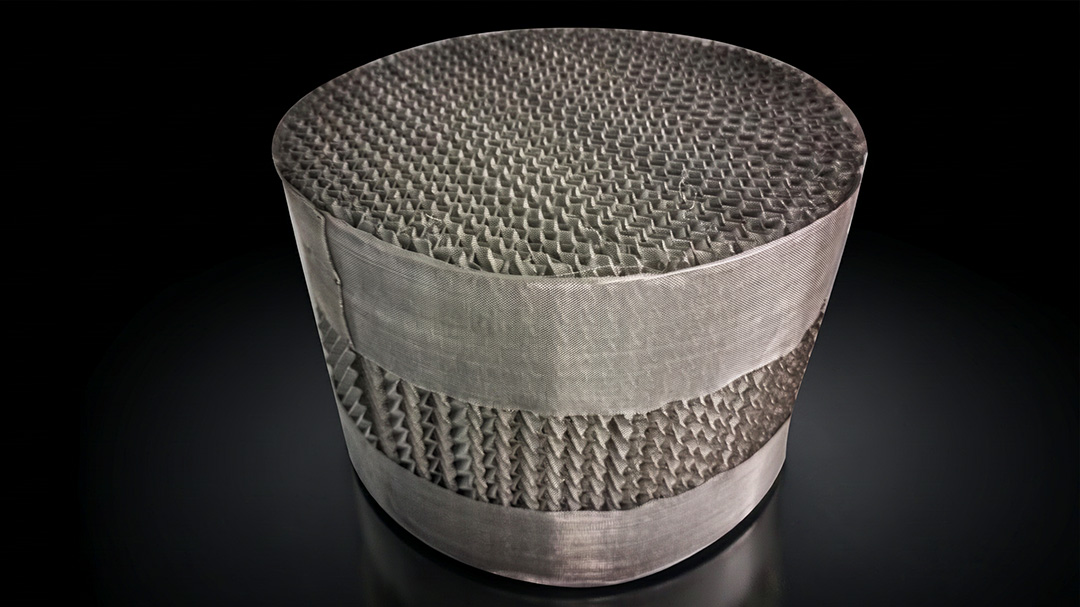
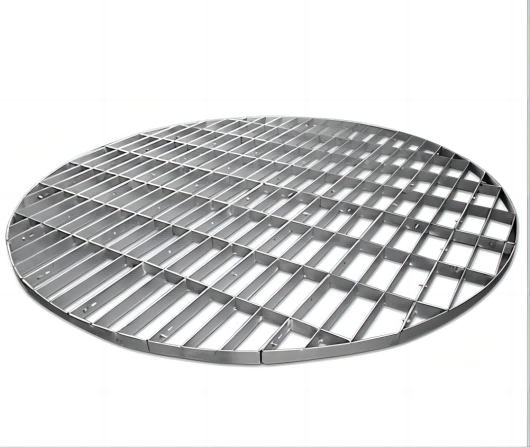
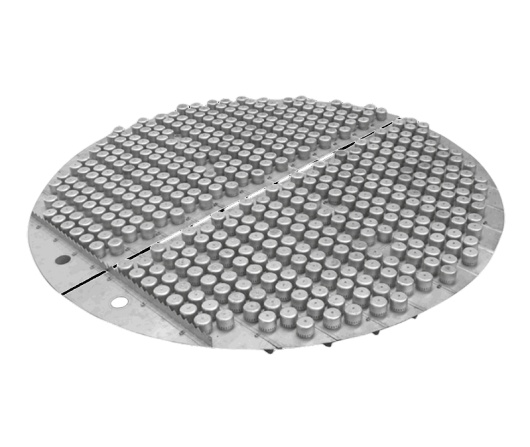
Figure 3: Uniform dumped bed above a camel hump support grid — open-area matching prevents local flow starvation regardless of resin.
Q: Can I swap PP tower packing for CPVC without changing bed height?
A: Bulk density is close, but CPVC runs at lower wet ΔP in hot service. Keep the same dumped volume only for like-for-like diameter; re-check distributor turn-down and support plate velocity with FXSINO before commissioning.
Q: Is CPVC always worth the ~2–3× material premium?
A: Only when temperature or oxidizer concentration sits outside PP's safe envelope. Below 70°C in clean caustic, PP delivers comparable run-life at a fraction of CAPEX; overspecifying CPVC adds no measurable gain.
Q: How do I tell PP from PE in an old column during teardown?
A: Float test and burn-behaviour are field proxies (PP floats, PE floats; PP burns with waxy drip, PE softer soot). For audit-grade traceability, request resin cert and batch lot from your packing manufacturer before reload.
FXSINO is a manufacturer and custom fabricator of plastic random tower packing, tower internals and separation hardware — PP, PE, CPVC rings, saddles and ripple fills supplied with material cert and matched support grids.
Email: jackieqiu9202@gmail.com | +86 18507999558
 Address : Intersection of Jinguang Avenue and Chongqing Middle Road, Anyuan Industrial Park, Anyuan District, Pingxiang City, Jiangxi
 Tel : +86-18507999558
 Email : sales@fxsino.com
 WhatsApp :
+86-18507999558
WhatsApp :
+86-18507999558 IPv6 network supported Sitemap | XML | Blog | Privacy Policy