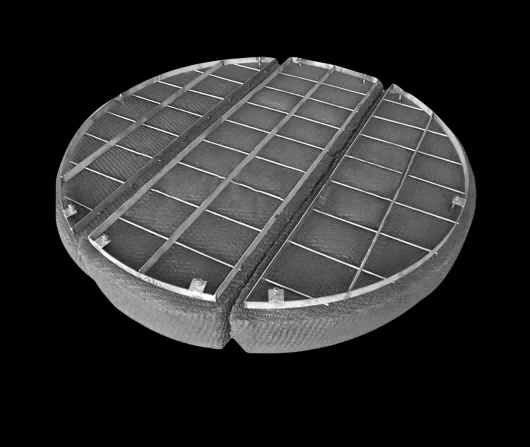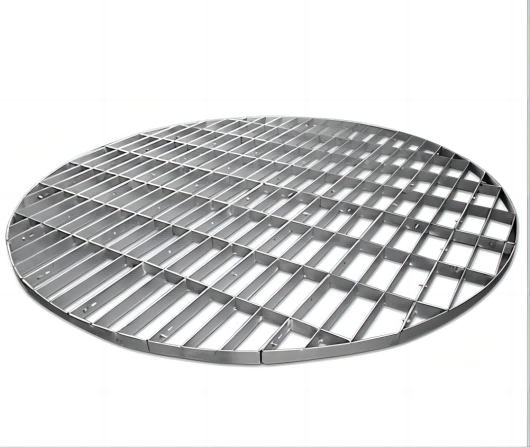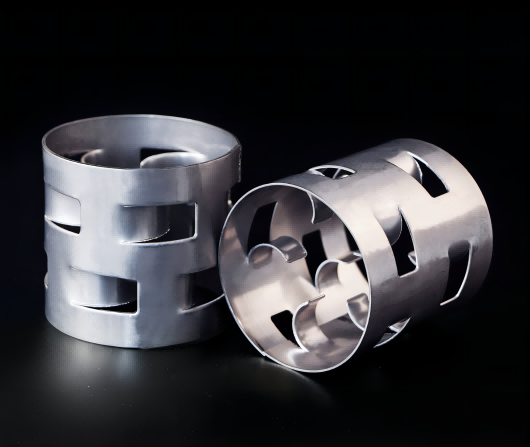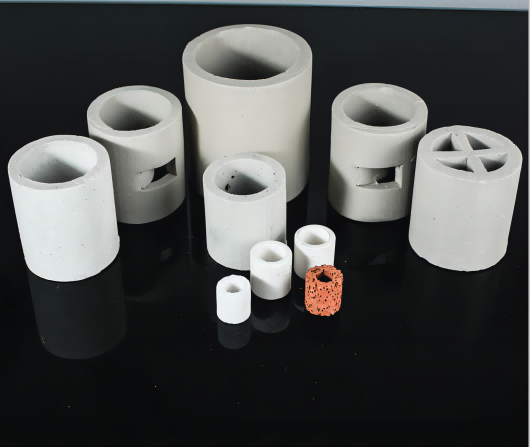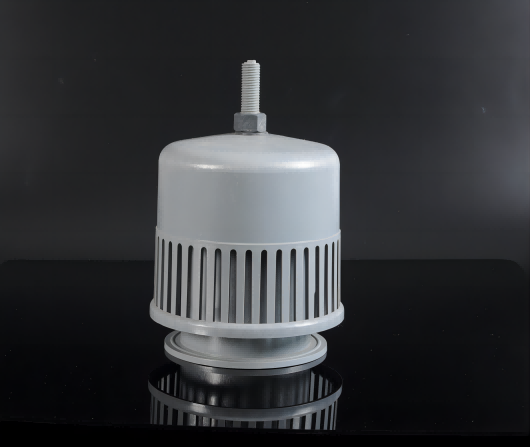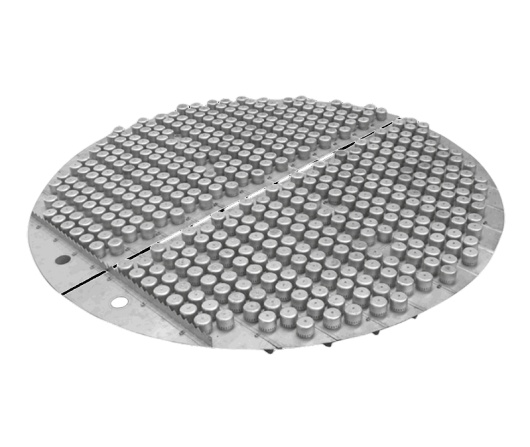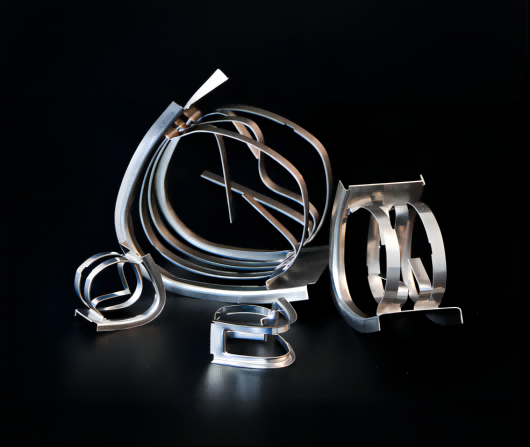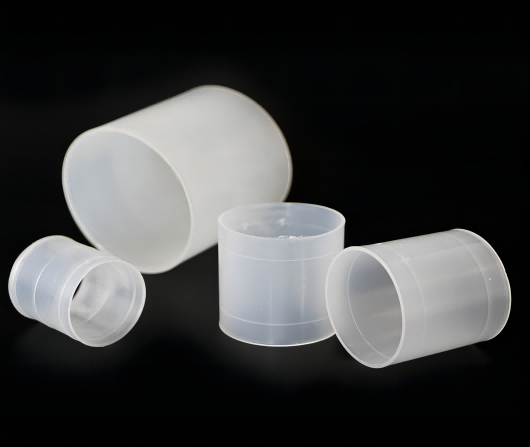

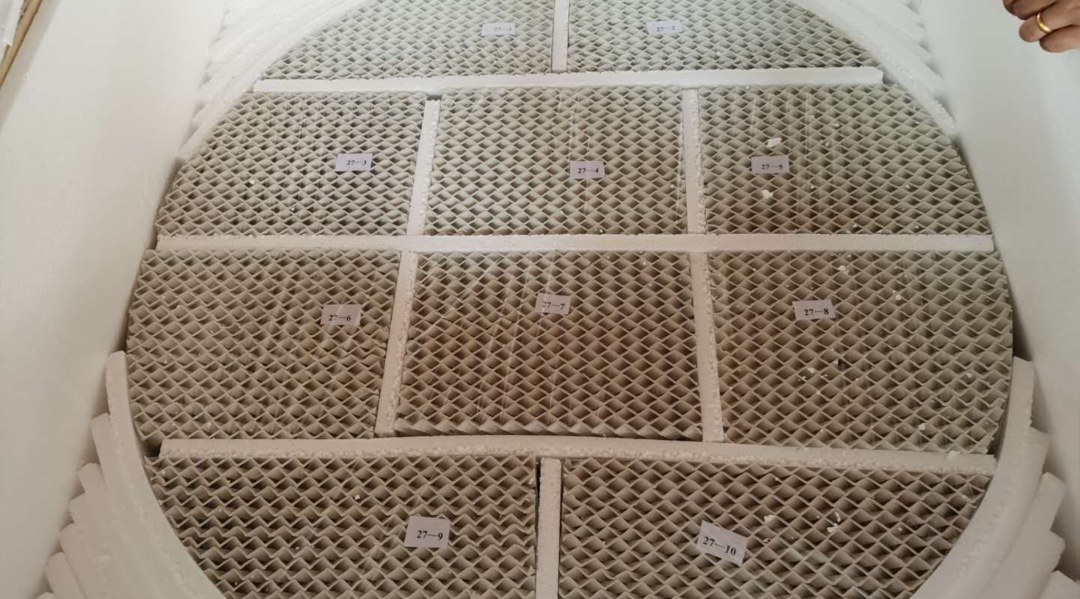
Figure 1: 250Y Ceramic Packing showing corrugated sheet structure.
In the production of sulfuric acid or non-ferrous metal smelting, the drying tower handles the most aggressive condition: concentrated H₂SO₄ (93-98%). Metal packings corrode rapidly, while plastic packings cannot withstand the exothermic heat of absorption.
Ceramic Structured Packing is the industry benchmark for this service. This guide explains how to select the right ceramic grade and avoid the operational traps that lead to tower flooding or packing collapse.
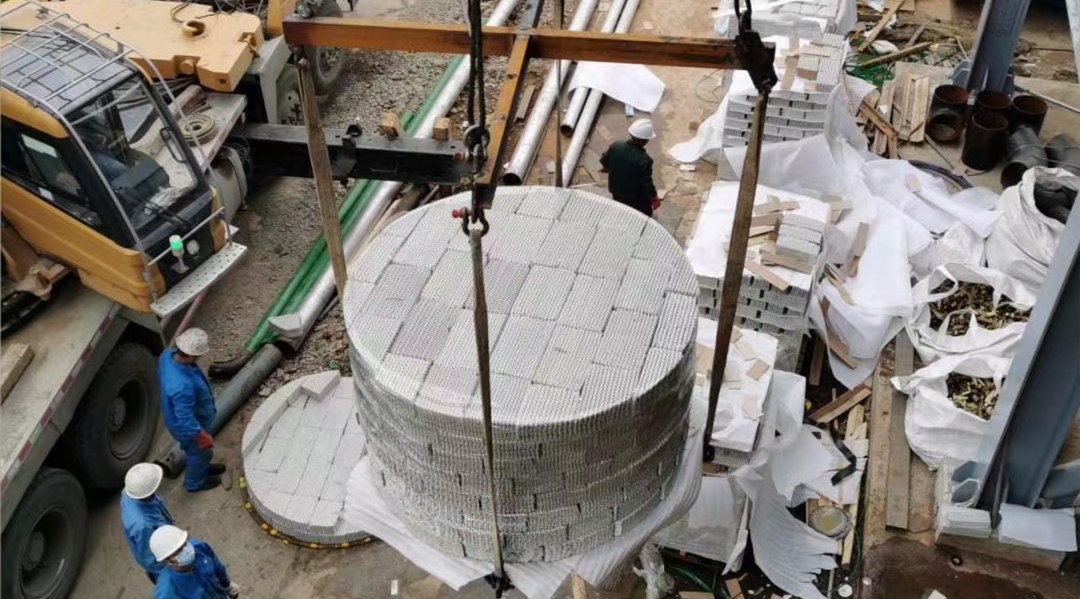
Not all ceramics are created equal. For sulfuric acid towers, the choice usually comes down to these two types:
| Material Type | Acid Resistance | Thermal Shock | Application |
|---|---|---|---|
| Chemical Porcelain | Excellent (<98% H₂SO₄) | Moderate | Standard Drying Towers |
| Alumina Ceramic | Superior (Fuming Acid) | High | High Temp / Oleum Service |
Never introduce hot gas into a tower filled with cold ceramic packing without acid circulation. The rapid temperature rise causes thermal shock, shattering the ceramic. Always pre-wet the bed with circulating acid before introducing process gas.
Ceramics expand when heated. If the packing is stacked tightly against the tower shell, the radial expansion will cause the ceramic blocks to crush each other. Leave a 10-20mm expansion gap filled with acid-resistant rope or ceramic wool.
Ceramic surfaces are hydrophilic, but if the acid irrigation rate is too low, the packing surface dries out. This creates "dry spots" that lead to uneven gas flow and channeling. Ensure your L/G ratio meets the minimum wetting rate for 250Y or 350Y packing.
FXSINO supplies high-density ceramic structured packing specifically engineered for sulfuric acid plants. We provide technical drawing reviews to ensure your bed depth and distributor match the packing specifications.
Contact FXSINO: [[jackieqiu9202@gmail.com ]] | [[+86 18507999558]]
© 2026 Jiangxi FXSINO Mass Transfer Technology Co., Ltd. All Rights Reserved.
 Address : Intersection of Jinguang Avenue and Chongqing Middle Road, Anyuan Industrial Park, Anyuan District, Pingxiang City, Jiangxi
 Tel : +86-18507999558
 Email : sales@fxsino.com
 WhatsApp :
+86-18507999558
WhatsApp :
+86-18507999558 IPv6 network supported Sitemap | XML | Blog | Privacy Policy