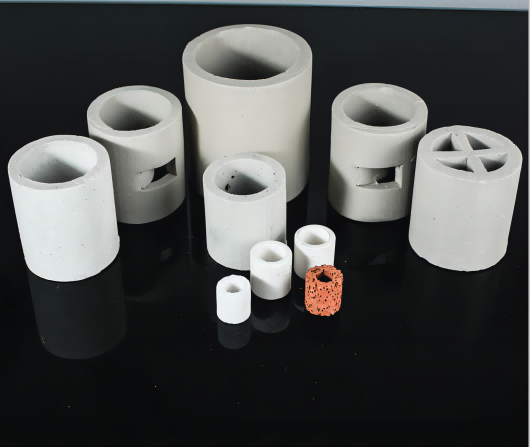

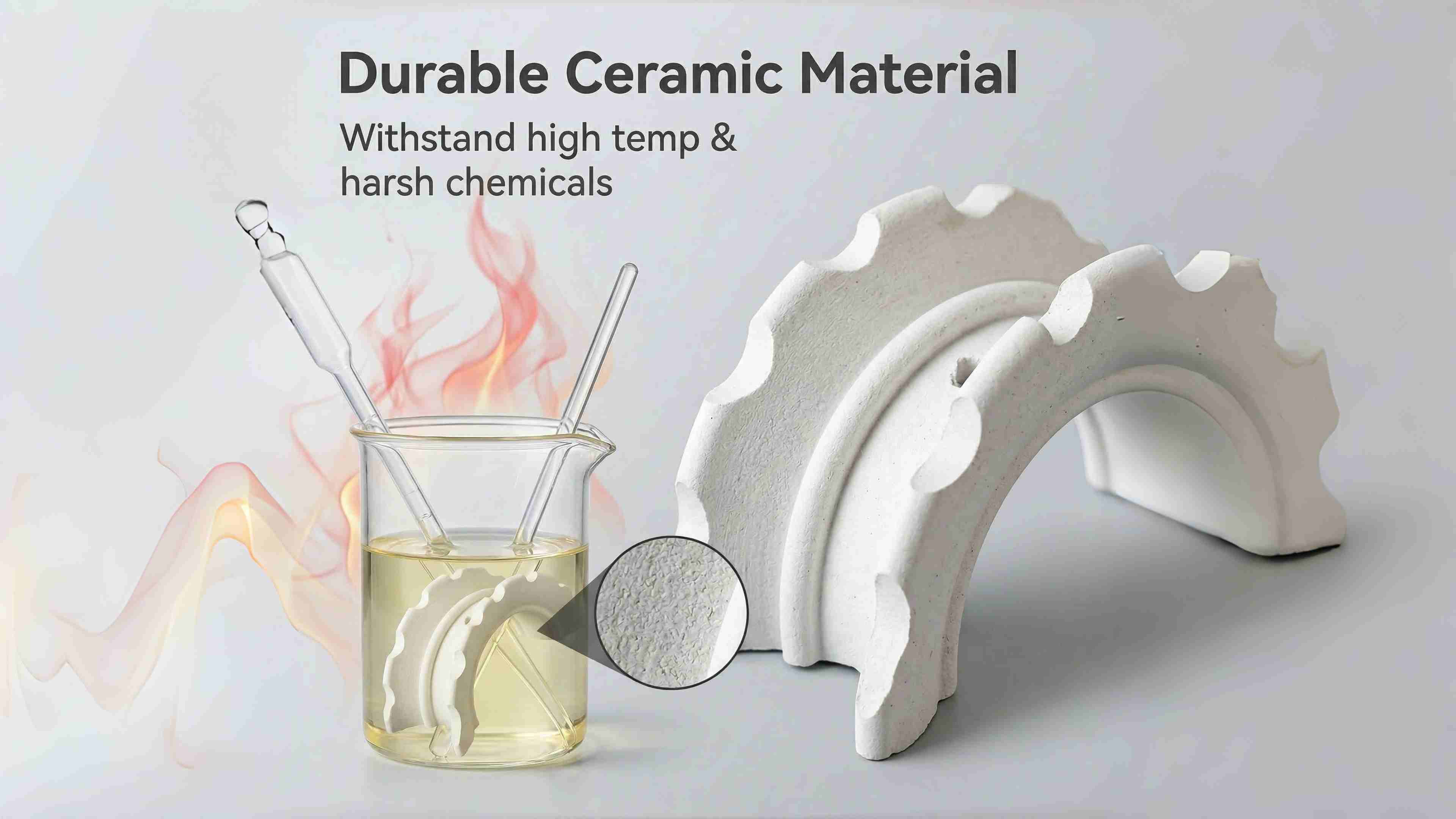
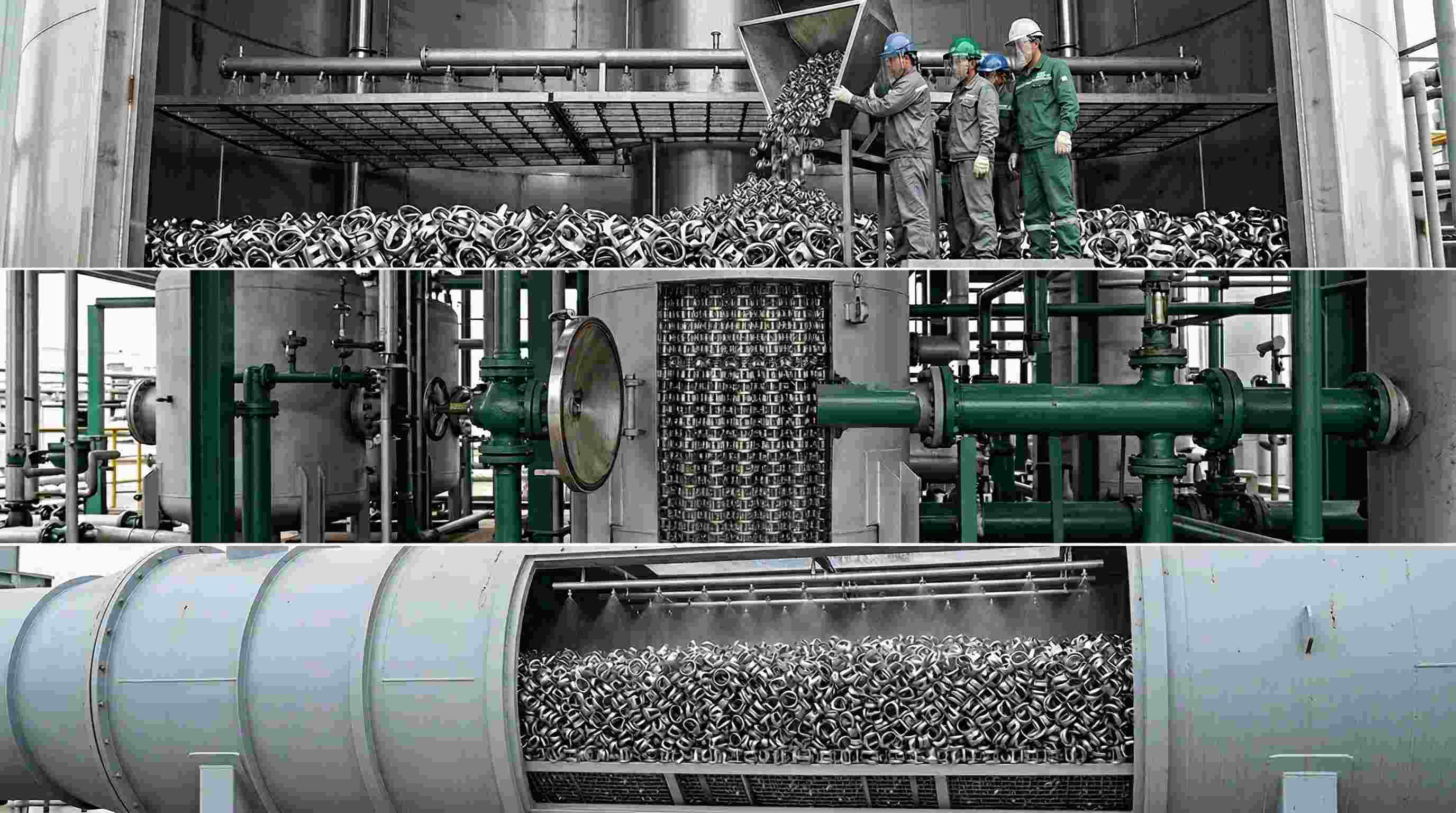
The Operational Challenge: Efficiency Loss in a Corrosive Environment A large-scale sulfuric acid production facility in Eastern China, with an annual capacity exceeding 500,000 tons, was grappling with chronic inefficiencies in its core process units: the drying and absorption towers. The traditional ceramic random packing inside these towers was failing to perform reliably under the severe conditions of high-temperature, concentrated sulfuric acid. The plant's engineering team was besieged by three interconnected problems: Unsustainable Energy Costs: The existing packing created high flow resistance, leading to excessive system pressure drop. This forced the plant's large blower and fan systems to operate at higher power draws, resulting in steep and rising electricity costs. The Cycle of Unplanned Downtime: Subjected to corrosive attack and thermal stress, the conventional packing deteriorated rapidly, suffering from breakage and fines generation. This caused channeling, further increased pressure drop, and ultimately necessitated a full packing replacement every 2-3 years. Each unplanned shutdown meant significant production loss and high maintenance costs. Unpredictable Performance: As the packing degraded, the tower's separation efficiency became unstable. This volatility threatened consistent product quality and prevented the plant from operating safely at its designed, optimal capacity. Finding a packing solution that could withstand the extreme environment while fundamentally improving hydraulic performance was critical. Options like Metal Pall Rings were unsuitable due to corrosion, and plastic materials could not handle the operating temperatures. The Engineered Solution: A Data-Backed Decision for Ceramic Super Saddle Rings Following a comprehensive technical review, the plant partnered with Ayrtter. The analysis conclusively identified Ceramic Super Saddle Rings as the optimal solution, based on three decisive advantages perfectly aligned with the application's demands: Designed for Hydraulic Superiority: The unique saddle shape with internal arches and a textured surface prevents nesting and creates a bed with a high void fraction. This geometry is engineered to minimize gas flow resistance, directly targeting the root cause of high energy consumption. Built for Severe-Service Longevity: Manufactured from a high-alumina ceramic formulation, these rings offer >99.6% resistance to sulfuric acid and excellent thermal shock resistance. This material integrity promised the durability needed to break the costly cycle of frequent packing replacement. Validated by Proven Performance: Ayrtter provided documented case histories and performance data from similar sulfuric acid applications, giving the client confidence that the theoretical benefits would translate into tangible, real-world results. Implementation: A Measured, Pilot Retrofit Approach The plant adopted a cautious, data-focused strategy. One critical drying tower was selected for a pilot retrofit. During a scheduled maintenance outage, the old ceramic packing was replaced with Ayrtter 50mm Ceramic Super Saddle Rings. After recommissioning, the team meticulously monitored key performance indicators for over 12 months. The collected operational data, summarized in the table below, provided clear and compelling evidence of the solution's effectiveness. A Clear Comparison: Documented Performance Metrics
| Performance Metric | Before Retrofit (Legacy Ceramic Packing) | After Retrofit (Ayrtter Ceramic Super Saddle Rings) | Result Achieved |
|---|---|---|---|
| Average System Pressure Drop | ~2,800 Pa | ~1,260 Pa | ~55% Reduction |
| Projected Packing Service Life | 24-36 months | >60 months(and counting) | >100% Increase |
| Potential Tower Throughput Capacity | Design Baseline | Up to 115% of baseline | Up to 15% Increase |
| Operational Stability | Declined over time, required close monitoring | Stable, predictable performance profile | Significantly Enhanced Reliability |
The Engineering Rationale Behind the Success The outstanding results were a direct consequence of the Ceramic Super Saddle Ring's design directly addressing the failure modes of the previous packing. Solving the Pressure Drop Problem: The open, high-void-fraction bed structure was crucial. By providing a less restrictive path for process gas, it directly translated into lower energy consumption. The ~55% pressure drop reduction allowed the blower to operate at a significantly lower power draw for the same gas flow. Ending the Degradation Cycle: The high-alumina ceramic used by Ayrtter is fired at extreme temperatures, creating a dense, glass-like surface that is virtually impervious to concentrated sulfuric acid. This solved the core issues of corrosion, erosion, and structural failure that previously dictated the short packing lifespan. Unlocking Process Potential: The superior geometry not only reduces pressure drop but also enhances liquid distribution and gas-liquid interfacial renewal. This improves mass transfer efficiency in the drying and absorption processes, contributing to more stable operation and the potential for increased throughput. Broader Impact: Benefits Beyond the Metrics Beyond the quantifiable KPIs, the retrofit delivered significant strategic advantages: Predictable Maintenance Scheduling: With extended packing life and stable performance, the plant can now schedule maintenance outages years in advance, optimizing production planning and resource allocation. Reduced Operational Risk: The elimination of unexpected performance decay or sudden pressure surges has made the production line safer and more controllable. Clear & Compelling ROI: The combination of energy savings, avoided production losses from downtime, and extended asset life delivered a rapid and unambiguous return on investment, building a strong case for retrofitting other towers in the plant.
Could Your Operation Achieve Similar Results? If your processes involve corrosive media, high temperatures, or if you are combating rising energy costs and unplanned maintenance cycles, the solution detailed here may be directly applicable. Your Next Step with Ayrtter Request a Technical Assessment: Submit your tower specifications and process conditions to Ayrtter's engineering team for a confidential feasibility and benefit analysis. Review Product Specifications: Access detailed technical data sheets and material certification reports for Ayrtter's Ceramic Super Saddle Rings in our product documentation center. Discuss a Pilot Project: Contact us to explore structuring a controlled, low-risk retrofit in a single tower to validate performance gains with your own data. SEO & Publishing Data 1. SEO TDK Title: Ceramic Super Saddle Ring Case Study: Sulfuric Acid Plant Saves Energy | Ayrtter Meta Description: Real-world case study: A China sulfuric acid plant used Ayrtter's Ceramic Super Saddle Rings to cut energy costs by 55% & extend packing life. Data from a leading supplier & manufacturer. 2. Tags Ceramic Super Saddle Ring, Case Study, Sulfuric Acid Plant, Tower Packing, Corrosion Resistant Packing, Energy Saving, China Packing Manufacturer, Random Packing, Absorption Tower, Ayrtter 3. Structured Data (FAQPage Schema)
 Address : Intersection of Jinguang Avenue and Chongqing Middle Road, Anyuan Industrial Park, Anyuan District, Pingxiang City, Jiangxi
 Tel : +86-18507999558
 Email : sales@fxsino.com
 WhatsApp :
+86-18507999558
WhatsApp :
+86-18507999558 IPv6 network supported Sitemap | XML | Blog | Privacy Policy