{
"@context": "https://schema.org",
"@type": "Product",
"name": "PTFE Pall Ring - Teflon Random Tower Packing",
"description": "PTFE (Teflon) Pall Rings in 25mm, 38mm, 50mm, and 76mm sizes. Universal chemical resistance for aggressive acid gas scrubbing, distillation, and ultra-pure applications.",
"brand": {"@type": "Brand", "name": "FXSINO"},
"sku": "FS-PTFE-PR",
"image": "/storage/uploads/images/202608/21/IMG_PTFE_PALL_HERO.jpg"
}
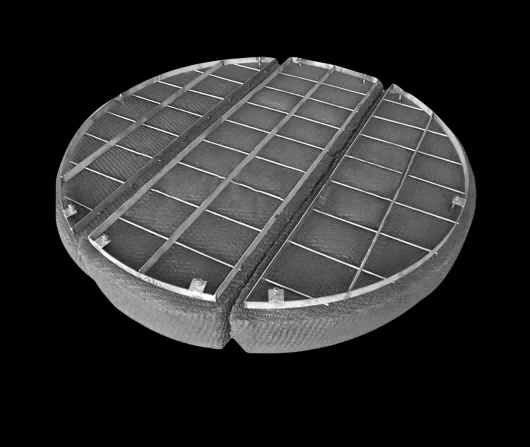
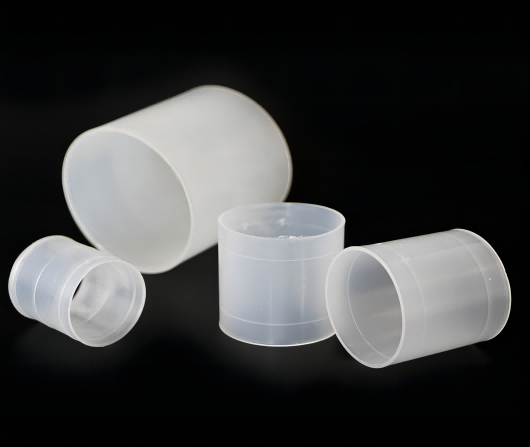
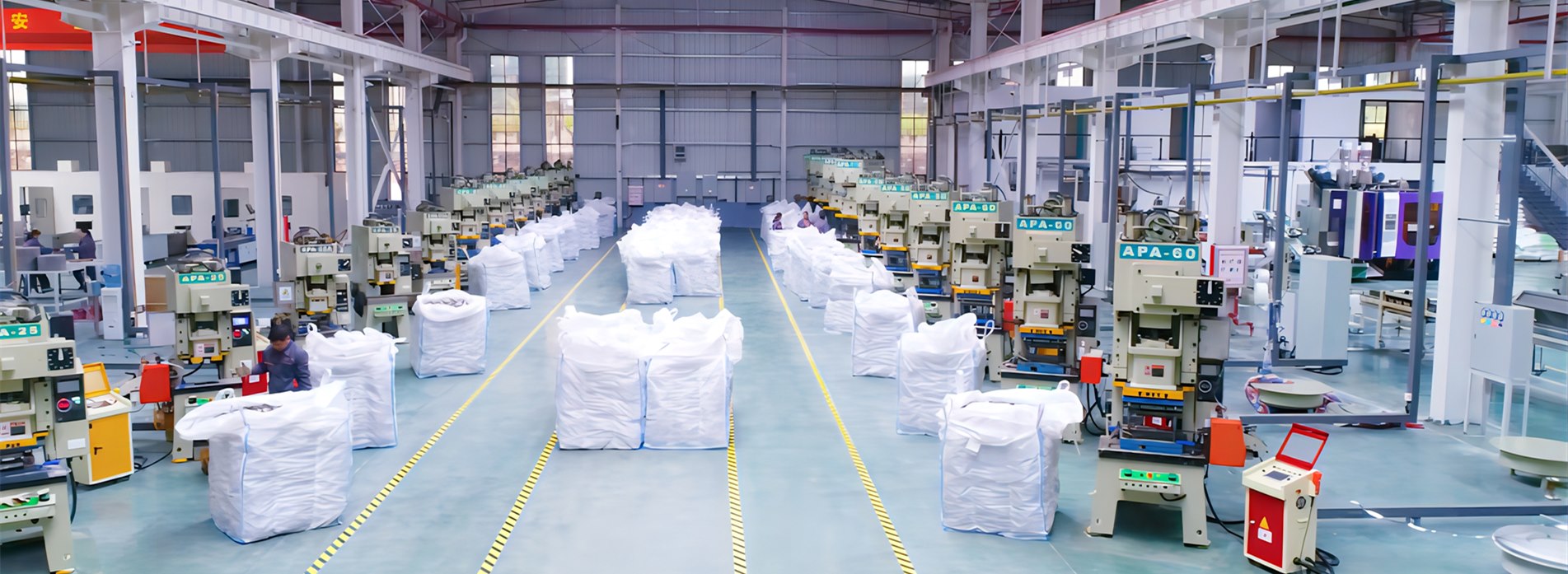
Figure 1: PTFE Pall Ring — universal chemical resistance for aggressive service.
PTFE Pall Ring: Teflon Random Packing for Aggressive Service
Engineering Alert: When your process involves concentrated H2SO4, HNO3, HF, or ultra-pure pharma streams, standard PP/PVC or even metal packings will fail. PTFE (Teflon) Pall Rings deliver near-universal inertness with continuous service up to 260°C.
1. What Is a PTFE Pall Ring?
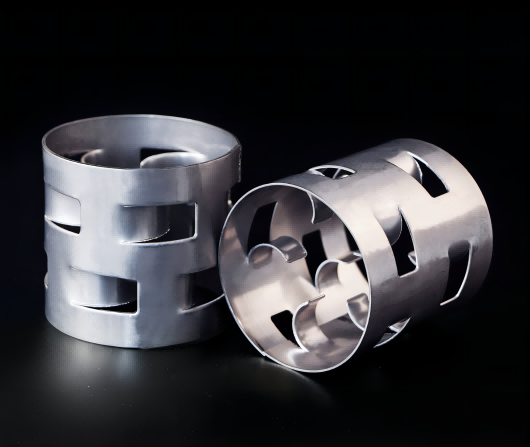
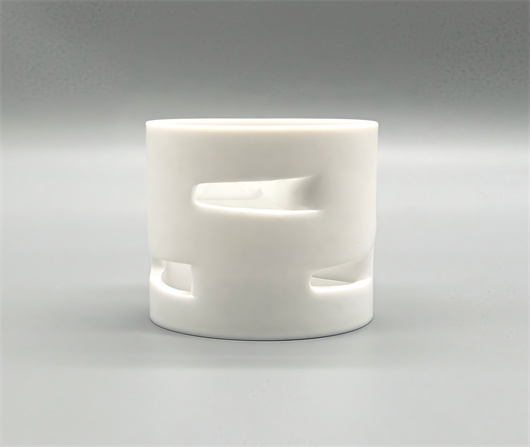
The Pall Ring is a second-generation random tower packing with windows stamped from the cylinder wall and tongues bent inward. Made from PTFE (Polytetrafluoroethylene, branded as Teflon), this variant combines the proven hydraulic performance of the Pall Ring geometry with the most chemically inert polymer known to industry.
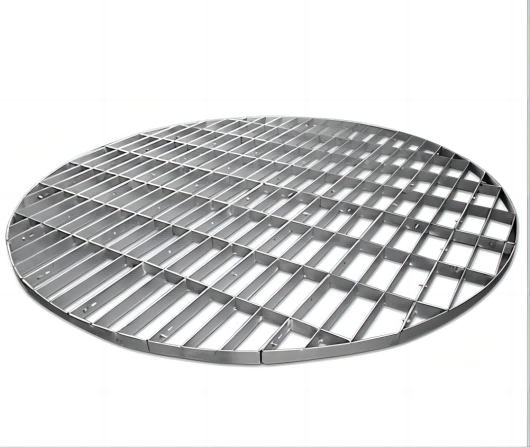
Figure 2: Internal window structure maximizes gas-liquid contact area.
2. Technical Specifications
Size (mm)
Void Space (%)
Surface Area (m²/m³)
Bulk Number (pcs/m³)
Bulk Density (kg/m³)
25 × 25 × 2
93.4
219
60,000
450
38 × 38 × 2.5
94.6
165
15,800
420
50 × 50 × 4
94.5
108
6,800
450
76 × 76 × 4
92.0
73
2,000
300
3. Why PTFE Over PP, PVC, or Metal?
Chemical Resistance Comparison
Media
PP
PVC
SS316L
PTFE
Conc. H2SO4 (> 70%)
×
✓
×
✓
Hydrofluoric Acid (HF)
✓
×
×
✓
HNO3 (fuming)
×
×
×
✓
NaOH (hot, conc.)
×
✓
✓
✓
Max Temperature
100°C
60°C
425°C
260°C
4. Key Performance Features
Universal Chemical Inertness: Unaffected by virtually all industrial chemicals—acids, bases, solvents, and halogens.
Non-Stick Surface: Extremely low coefficient of friction (0.05-0.10) prevents polymer buildup and fouling.
High-Temperature Service: Continuous rating up to 260°C (500°F)—far above any other thermoplastic.
Ultra-Pure Compatible: Zero extractables—meets USP Class VI and FDA requirements for pharma and semiconductor applications.
5. Primary Applications
PTFE Pall Rings are specified wherever chemical aggression or purity demands rule out all other materials:
• Acid Gas Scrubbing: HF, fuming H2SO4, HNO3 absorption towers
• Chlorination Systems: Cl2 drying and compression where wet chlorine attacks metals
• Pharmaceutical API: Solvent recovery and distillation under cGMP ultra-pure conditions
• Semiconductor: High-purity acid distribution and exhaust abatement
• Nuclear & Fluorochemical: Handling of UF6, HF, and other highly aggressive fluorinated compounds
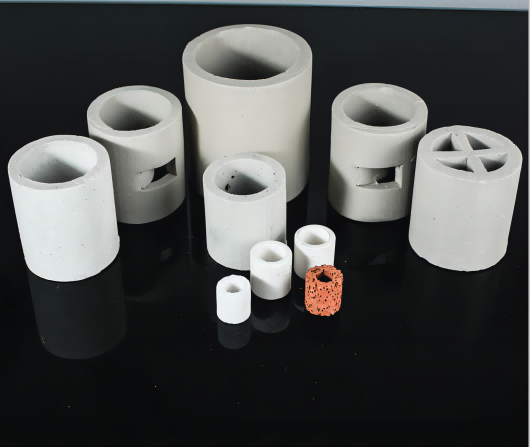
Figure 3: PTFE Pall Rings in an acid gas scrubber for HF and chlorine service.
6. Quick FAQ
Q: Is PTFE stronger than metal at high temperatures?
A: No. PTFE's tensile strength decreases above 200°C. For high-pressure, high-temperature corrosive service, consider PTFE-lined metal or graphite packings. We can advise based on your operating envelope.
Q: Can PTFE Pall Rings handle vacuum distillation?
A: Yes. The Pall Ring geometry performs well under vacuum, and PTFE's low outgassing makes it suitable for high-vacuum pharmaceutical separations.
Q: How does bulk density compare to ceramic or metal?
A: PTFE bulk density is 300-450 kg/m³—much lighter than ceramic (~700 kg/m³) or metal (~400-500 kg/m³). This reduces tower support structure requirements but means higher piece counts per cubic meter.
Need PTFE Pall Rings for Your Corrosive Service?
FXSINO supplies PTFE Pall Rings in 25mm, 38mm, 50mm, and 76mm with full material traceability (MTC to ASTM D4894). Send us your process conditions for a customized recommendation and quote.
Contact FXSINO: jackieqiu9202@gmail.com | +86 18507999558